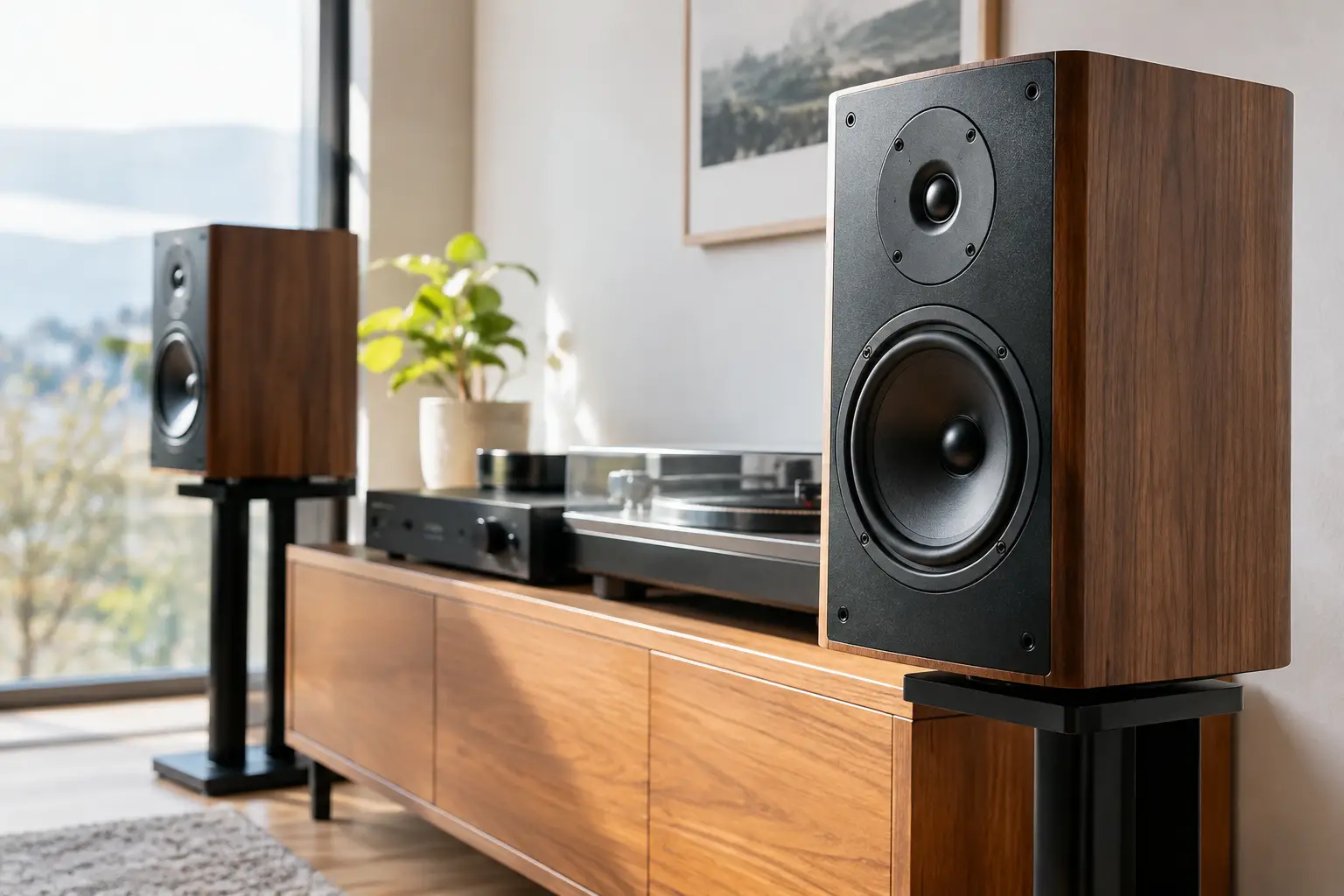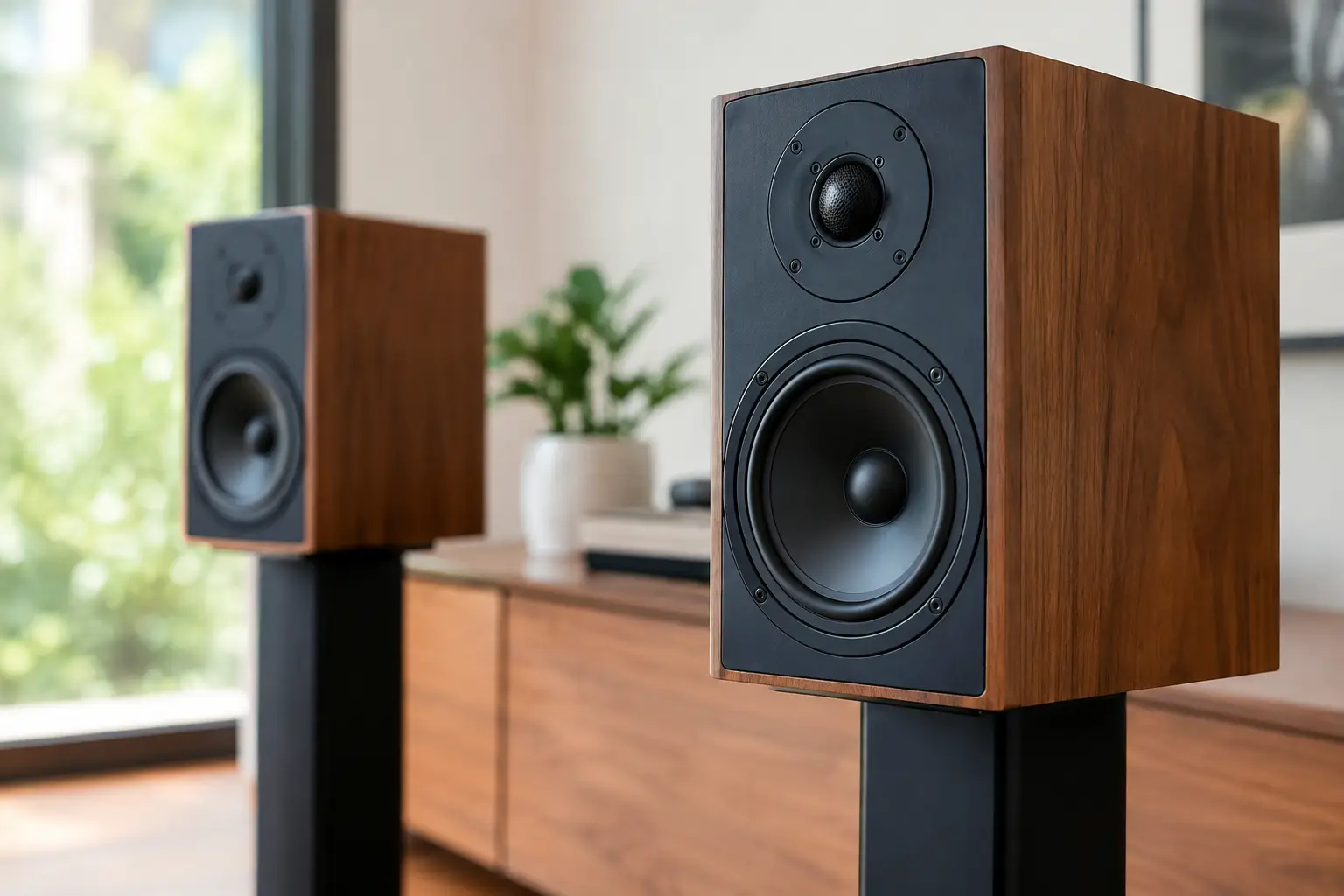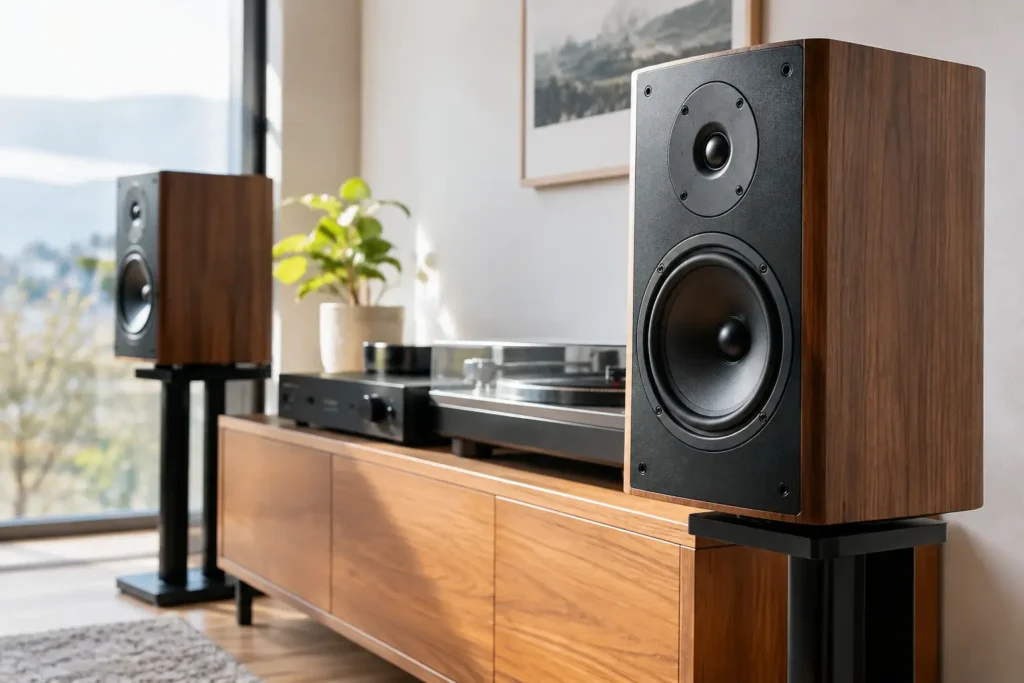
A fine loudspeaker is judged in the first few seconds of a familiar recording, but its character was decided years earlier: in the cabinet walls, the driver selection, the crossover voicing, and the patience to refine each decision by ear. An audiophile speaker design review should therefore look beyond impressive specifications. The question is not simply how much sound a speaker can produce. It is whether the speaker preserves the timing, tone, scale, and emotional intention that make music feel alive.
For listeners who have spent years building collections and refining systems, this distinction is immediate. A violin can sound present yet lose its rosined texture. A bass line can be powerful yet lack pitch definition. A large soundstage can be dramatic yet fail to place performers with convincing solidity. Meaningful design brings these elements into a coherent musical whole.
An Audiophile Speaker Design Review Starts With the Cabinet
The cabinet is not packaging. It is an active acoustic structure, and its behavior can either support or obscure the work of the drivers. When cabinet panels store and release energy, they add a faint but persistent signature to the music. Voices become less transparent, low frequencies lose authority, and instrumental colors begin to converge.
A properly engineered enclosure controls resonance through material selection, panel geometry, bracing, damping, and careful attention to how energy travels through the structure. This is painstaking work, particularly in a floorstanding loudspeaker where the cabinet must manage considerable bass energy while remaining visually graceful in a discerning home.
The most successful designs make the cabinet seem to disappear. A piano should have weight and woody resonance without sounding thick. A close-miked vocalist should occupy the space between the speakers rather than appear attached to either enclosure. On an orchestral recording, the room around the instruments should remain audible even as the music reaches a crescendo.
There is also an aesthetic consideration that should never be dismissed. Luxury loudspeakers live in rooms designed for living, not laboratories. Proportion, finish, and tactile quality influence the relationship an owner has with a component over many years. A beautifully crafted cabinet is not a substitute for sonic excellence, but it is a natural expression of the same seriousness of purpose.
Drivers Are Chosen for Character, Not Just Capability
Every driver has a voice. Cone material, motor design, surround geometry, voice-coil behavior, and dispersion characteristics all shape the way it responds to a musical signal. A specification sheet may show broad bandwidth and high power handling, yet reveal little about how naturally a driver reproduces the fragile decay of a cymbal or the changing pressure of a cellist’s bow.
In a refined loudspeaker, the woofer, midrange, and tweeter are selected as a musical family. Their tonal behavior and dynamic temperament must complement one another before the crossover is even considered. The result is not a collection of frequency bands handed from one component to another, but a single, continuous musical event.
Bass deserves particular scrutiny. Many loudspeakers can produce an impressive quantity of low-frequency energy. Far fewer distinguish the pitch, transient attack, and decaying body of an acoustic bass, a concert bass drum, or an electronic kick drum. Deep bass becomes convincing when it is controlled, articulate, and proportionate to the recording, rather than inflated to create a quick showroom impression.
Similarly, treble refinement is not about exaggerating detail. Artificially elevated high frequencies can initially suggest greater resolution, especially on brief auditions. Over time, that emphasis can make recordings feel brittle or emotionally fatiguing. True resolution allows a listener to hear deeper into the recording while preserving the natural ease of strings, brass, percussion, and human voice.
Coherence matters more than spectacle
A loudspeaker can deliver thunderous bass, brilliant highs, and wide dynamics while still failing to communicate a performance. The missing quality is often coherence. When timing and tonal balance remain intact from the lowest register through the upper treble, the listener stops noticing individual drivers and begins following the music.
This is why a modestly scaled recording can be as revealing as a grand symphony. A solo singer accompanied by guitar exposes phrasing, breath, string texture, and the subtle rhythmic relationship between two performers. If a loudspeaker renders those connections convincingly, it is far more likely to handle a full orchestra or an ambitious studio production with authority.
The Crossover Is Where Engineering Becomes Judgment
The crossover determines how drivers share the musical spectrum. It is often discussed in terms of slopes, component quality, and crossover points, all of which matter. Yet the deeper challenge is integration. Drivers do not behave identically at every frequency or every volume, and their acoustic centers are not necessarily in the same physical plane.
A carefully voiced crossover accounts for these realities. It preserves phase relationships, maintains a believable tonal transition between drivers, and avoids drawing attention to the moment one driver hands off to another. This level of refinement is heard in the continuity of a saxophone line, the unbroken force of a snare drum strike, and the stable image of a singer moving from a whisper to a full-throated phrase.
Higher-grade components can reduce losses and preserve low-level information, but expensive parts alone do not guarantee musical success. Implementation is decisive. A crossover must serve the specific drivers, cabinet, and intended acoustic behavior of the complete loudspeaker. Great design resists one-size-fits-all thinking.
Soundstage Is Not a Special Effect
An expansive soundstage is one of high-end audio’s most captivating qualities, but width alone is not the goal. A compelling stereo image has dimensionality, focus, and believable relationships. The lead vocal has a stable place. Background instruments occupy their own air. The recording’s sense of depth remains intact rather than collapsing into a broad, flat wall of sound.
This depends partly on controlled dispersion. Loudspeakers interact with the room through direct sound and reflected sound, so off-axis behavior has profound consequences for tonal balance and imaging. A speaker designed with thoughtful radiation patterns can create a more stable presentation across a reasonable listening area while keeping reflections from overwhelming the original signal.
It also depends on setup. Even an exceptional loudspeaker cannot suspend the laws of acoustics. Distance from front and side walls, toe-in, seating position, room furnishings, and ceiling height all affect the final result. The finest designs offer enough composure and adaptability to work beautifully in real homes, but they still reward careful placement.
A useful audition includes recordings that are genuinely known, played at both modest and realistic levels. Listen not only for the obvious moments, but for whether the music remains organized when arrangements become dense. Does the center image retain focus? Does the bass keep its shape? Can you hear the quiet reverberant trail after a note ends? These are the signs that a speaker is resolving musical information rather than merely producing an impressive sound.
Craftsmanship Protects Performance Over Time
Boutique loudspeaker design carries a responsibility beyond the initial audition. Materials must remain stable, finishes must be executed with care, and assembly must be precise enough to preserve the designer’s intent from one pair to the next. In this category, craftsmanship is not decoration applied after engineering. It is part of performance.
Handcrafted loudspeakers also allow an uncommon degree of attention to fit, finish, matching, and final voicing. For a luxury buyer, that matters. A speaker should be a lasting object of pleasure, one that complements the architecture of the home and continues to reveal new dimensions in beloved recordings.
For more than three decades, Gershman Acoustics has pursued this union of acoustic rigor, artisanal construction, and emotional realism. The enduring appeal of such an approach is simple: music is not a technical demonstration. It is a record of human expression, and a loudspeaker should honor every ounce of it.
When evaluating your next pair, let the specifications inform the conversation but let the music make the decision. Choose the design that gives familiar performances greater presence, greater truth, and the rare feeling that the distance between listener and artist has become smaller.
Explore Gershman Acoustics Reference Loudspeakers
Experience the lifelike soundstage, deep controlled bass, and artisanal cabinetry discussed in our guides.
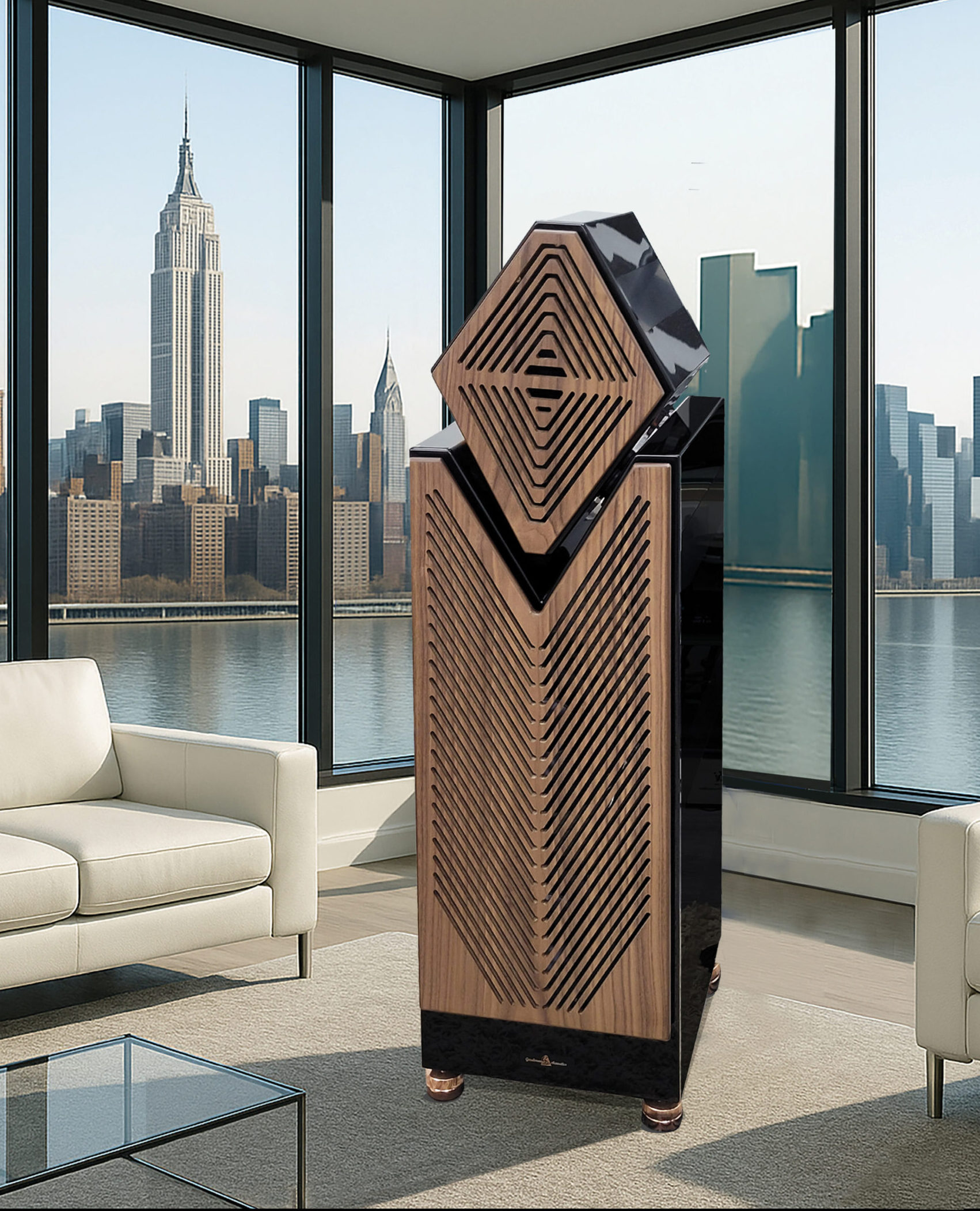
Symphoria
Flagship 3-Way Sealed Reference Loudspeaker with Dual Patented Bass Traps (BCT) & SSAS Isolation
Explore Model →
30th Anniversary Black Swan
No-Holds-Barred Reference Loudspeaker with SSAS A-Frame Enclosure (18Hz–24kHz)
Explore Model →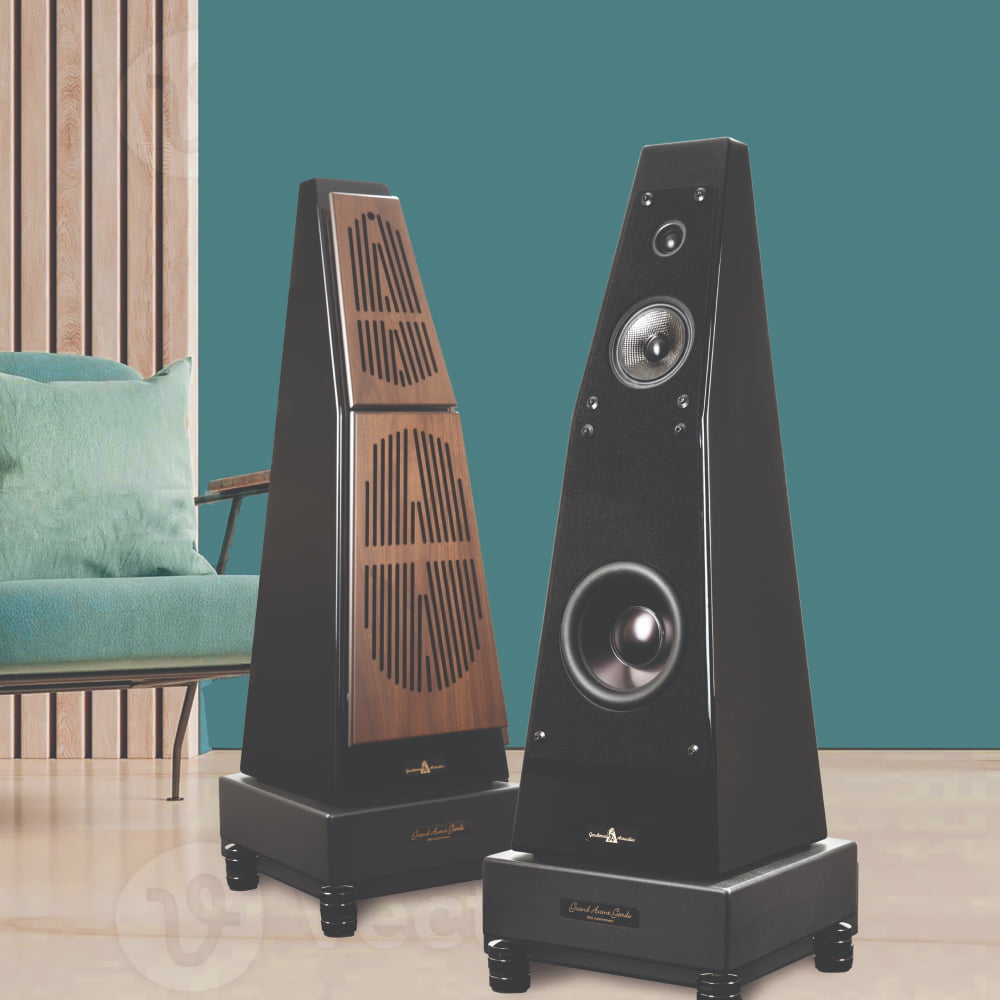
30th Anniversary Grand Avant Garde
Award-Winning Tapered Floorstanding Loudspeaker with Patented Back-Wave Control Technology (BCT)
Explore Model →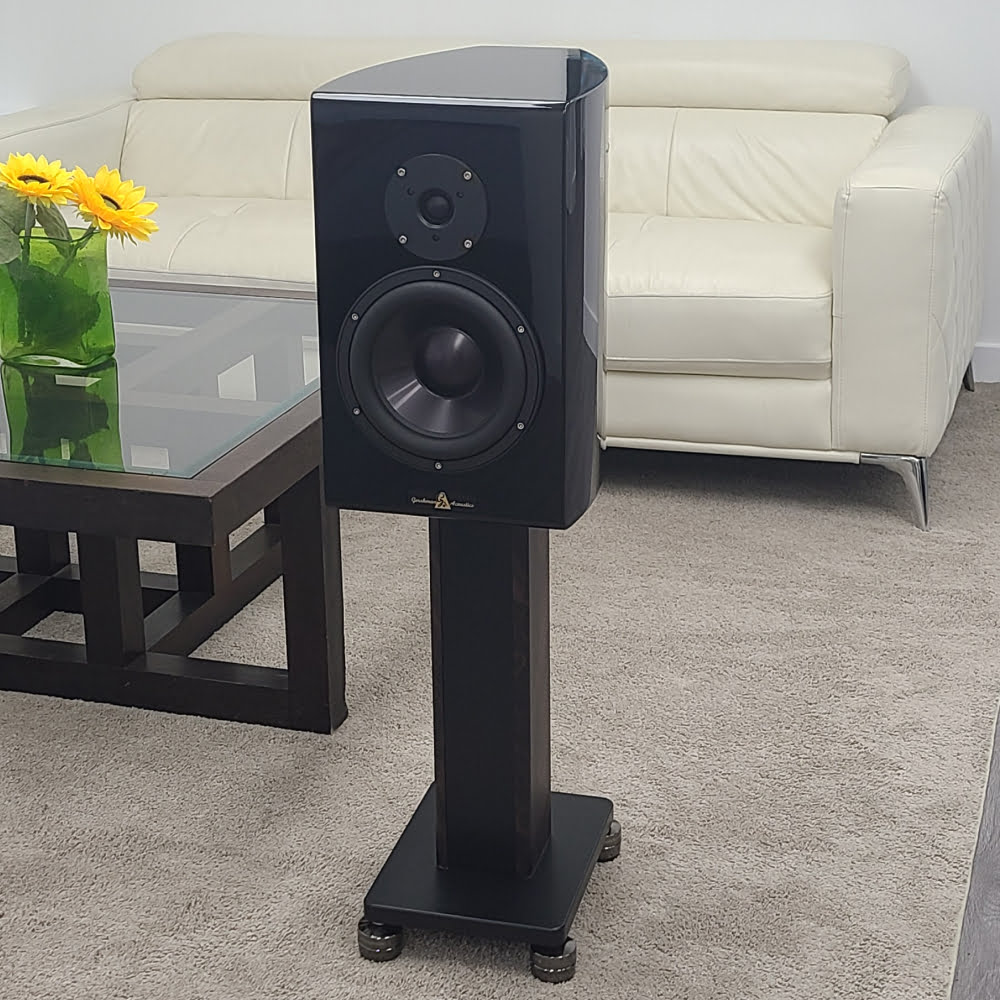
Studio II
Award-Winning Sealed Two-Way Reference Stand-Mount Loudspeaker (28Hz–24kHz)
Explore Model →