A trumpet fanfare can make the question of horn versus conventional speakers feel immediately obvious. One design may deliver startling jump, projection, and physical presence; another may present the same passage with graceful continuity, tonal refinement, and a more intimate sense of the recording space. Neither approach is inherently superior. The right choice depends on the room, the system, the recording, and above all, the way you want music to move you.
For the serious listener, this is not merely a question of speaker technology. It is a question of musical character. A loudspeaker is the final voice in a carefully assembled system, and its design shapes the scale of an orchestra, the texture of a singer’s breath, and the emotional weight of a low cello note.
Horn Versus Conventional Speakers: The Fundamental Difference
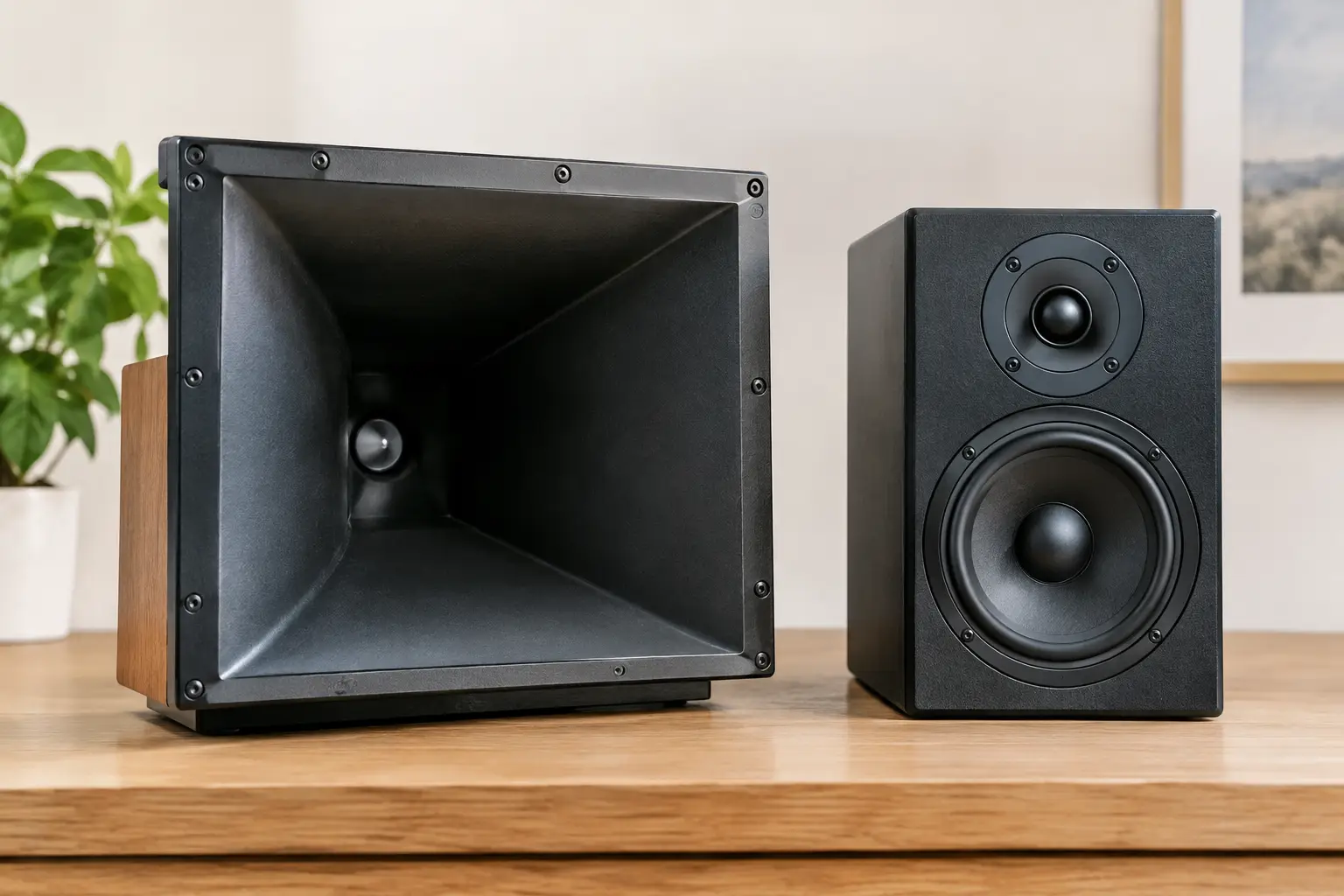
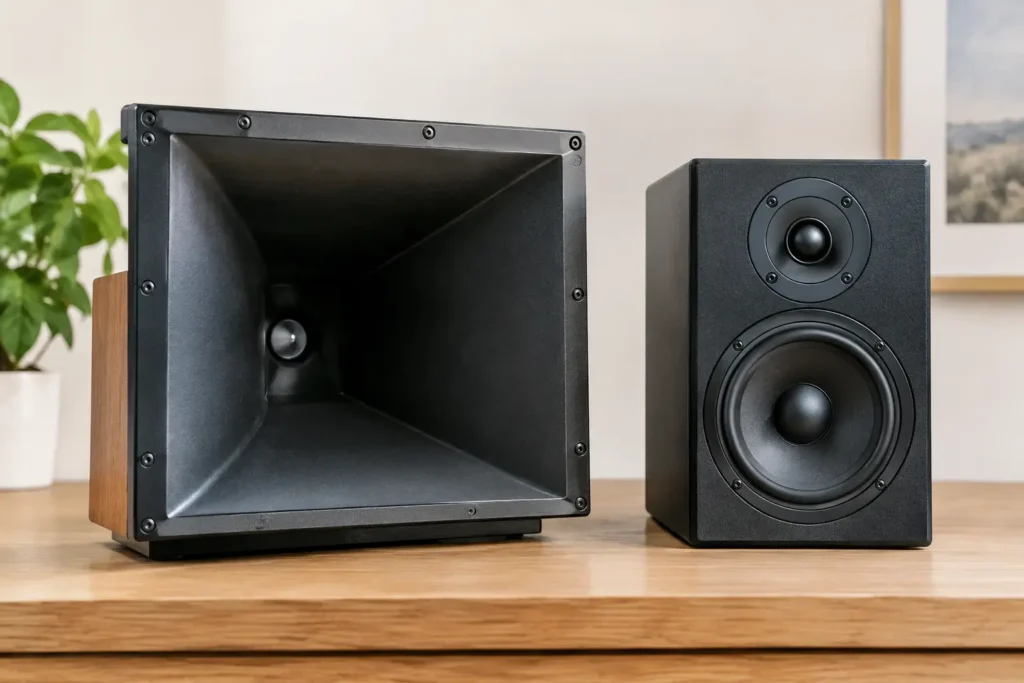
A horn loudspeaker uses a flared acoustic pathway in front of a driver, usually for the treble, midrange, or both. The horn helps couple the driver more efficiently to the air in the room. Rather than asking a small diaphragm to work directly into open space, it guides and controls the sound wave as it leaves the driver.
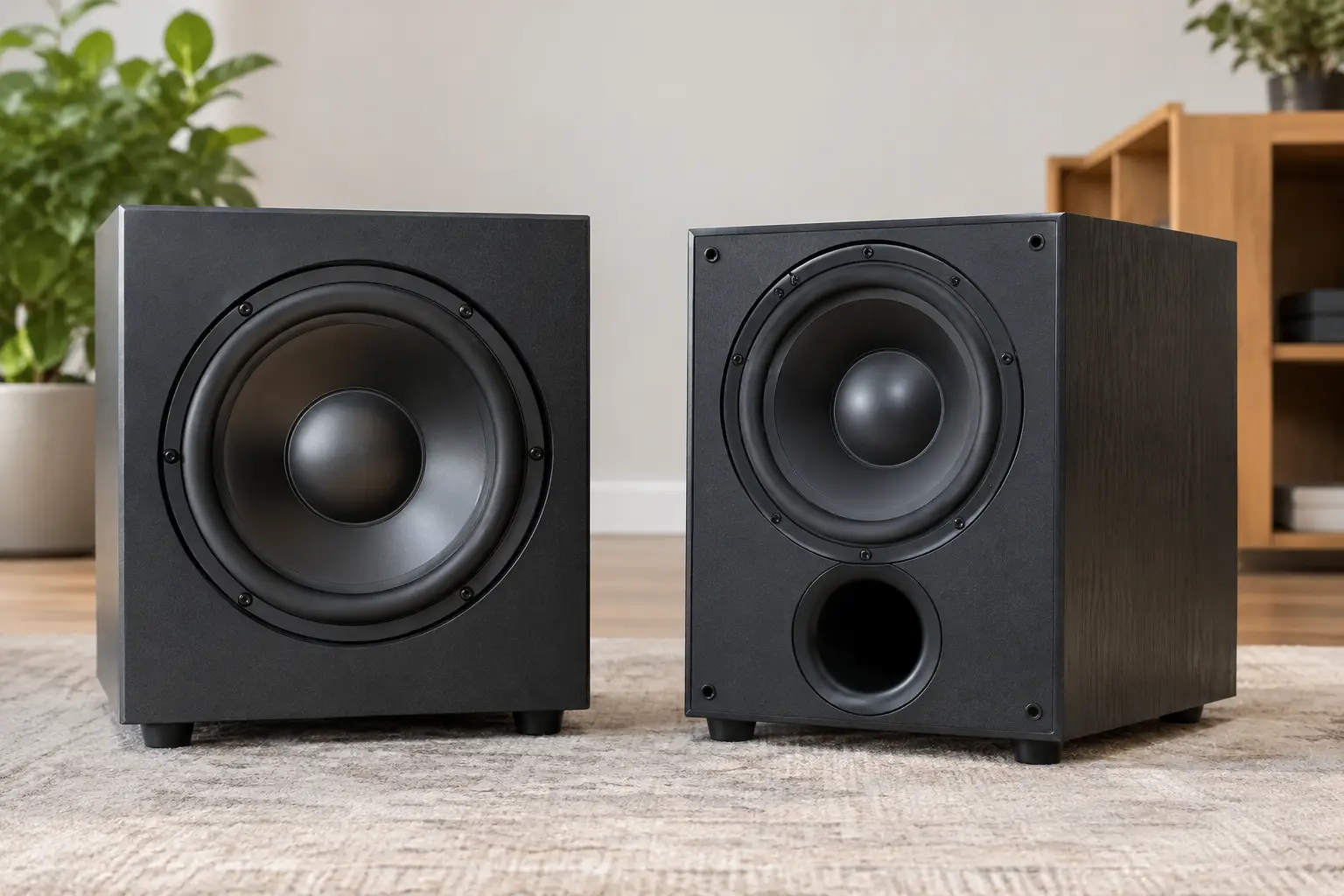
A conventional loudspeaker, often called a direct-radiating speaker, places its drivers directly on the baffle. Cone woofers, dome tweeters, and midrange units radiate into the room without a horn loading structure. This is the familiar architecture behind many fine floorstanding and stand-mounted loudspeakers, although the quality of execution varies enormously.
The distinction is meaningful, but it should not be reduced to a slogan. Horn systems can be exquisitely refined or aggressively voiced. Conventional speakers can be delicate and spacious, or capable of tremendous dynamic authority. Driver quality, crossover design, cabinet construction, room integration, and tuning determine the final result as much as the basic topology.
Why Horn Speakers Feel So Immediate
The principal attraction of horn speakers is efficiency. A well-designed horn can produce substantial sound pressure from very little amplifier power. This makes horns especially appealing to enthusiasts who admire low-powered tube amplifiers, including single-ended triode designs, where every watt matters.
That efficiency is closely connected to the sensation of ease. On a convincing horn system, brass instruments can rise from silence with remarkable speed. A snare drum strike has a vivid leading edge. Large-scale music can feel uncompressed, even at realistic listening levels, because the drivers are not being pushed as hard to create the same output.
Horns also offer a degree of directional control that direct-radiating drivers often do not. By managing dispersion, they can reduce certain early reflections from sidewalls, floor, and ceiling. In a thoughtfully designed room, this can sharpen image outlines and preserve clarity at higher volumes.
Yet the qualities that seduce horn devotees also require care. Horn geometry, throat transitions, driver materials, and crossover implementation must be handled with uncommon precision. A poor design can sound cupped, colored, or overly forward through the vocal range. The larger the horn, the more readily it can operate lower in frequency and with less strain, but large horns demand physical space and a room that welcomes their presence.
There is also the matter of scale. Many horn systems are visually assertive. For some owners, their sculptural architecture is part of the appeal. For others, particularly those designing an elegant living environment rather than a dedicated listening room, their size and visual language may be a compromise.
The Case for Conventional Loudspeakers
A superb conventional loudspeaker can disappear in a way that feels almost magical. With proper placement, the cabinets seem to recede, leaving performers suspended across a wide and layered soundstage. A vocalist occupies a believable position. A piano has both body and air around it. The room behind the music becomes audible without calling attention to the loudspeaker itself.
Direct-radiating designs offer enormous flexibility. Designers can combine dedicated woofers, midrange drivers, and tweeters in cabinets that suit a broad range of rooms and aesthetic preferences. They can pursue deep bass extension, wide dispersion, compact proportions, or a carefully balanced combination of all four.
For music lovers who value tonal coherence and long-term listening comfort, a refined conventional design is often deeply persuasive. It can convey the harmonic richness of strings, the decay of cymbals, and the natural density of voices without turning every recording into an event of exaggerated scale. This quality matters when a collection ranges from intimate jazz trios to chamber music, rock, opera, and contemporary recordings of uneven production quality.
The trade-off is that conventional speakers generally need more amplifier power to reach the same level as efficient horns. They may also demand more attention to amplifier current delivery, particularly with demanding impedance loads. This does not mean they are difficult to drive in every case. It means the speaker and amplifier must be treated as a partnership, not as separate luxury purchases.
Dynamics Are More Than Volume
One of the most common misunderstandings in this comparison is equating dynamics with playing loudly. Volume is only part of the story. Microdynamics describe the smallest changes in intensity: the pianist’s touch, a singer pulling back from a phrase, the subtle swell of a bowed instrument. Macrodynamics concern major shifts: an orchestra rising to a climax, a kick drum entering with force, a full band moving from restraint to release.
Horn speakers often excel at conveying the start-stop energy of macro and microdynamic events. Their high sensitivity can make music feel alive at modest volumes, which is a genuine advantage for listeners who do not always play music loudly.
Conventional speakers, particularly sophisticated multiway designs with well-controlled cabinets and carefully matched drivers, can deliver dynamics with a different character. The emphasis may be less on explosive attack and more on continuous tonal development, scale, and composure. When properly engineered, they do not flatten crescendos. They allow the crescendo to build naturally, without sacrificing the color and dimensionality that give the performance meaning.
Room Acoustics Decide More Than Most Buyers Expect
A speaker does not perform in a vacuum. The room is an active participant, and the interaction between speaker dispersion and room boundaries is central to the final sound.
In a large, dedicated listening room, a substantial horn system may have the space to breathe. Listening distance, wall treatment, and careful setup can allow its dynamic freedom and controlled directivity to flourish. In a smaller, reflective room, the same speaker may overwhelm the space or make the listener too aware of the horn’s character.
Conventional speakers are not automatically easier to place, but many are designed for domestic rooms where elegance, proportion, and practical positioning matter. Their broader radiation pattern can create a generous soundstage, though it also means sidewall reflections deserve attention. A few inches of placement adjustment can alter bass balance, image focus, and the apparent depth of the recording.
Before making a decision, consider where the speakers will live, not simply where they will be auditioned. Ceiling height, open-plan architecture, furnishings, glazing, and the distance between listener and loudspeaker all matter. A spectacular showroom demonstration is valuable, but it cannot fully answer how a speaker will inhabit your own home.
Amplifier Matching and System Character
Horn speakers invite amplifier experimentation because their sensitivity opens the door to low-power designs. A few exceptionally pure watts can create a vivid, intimate presentation when paired with a compatible horn system. However, sensitivity alone is not the whole electrical story. Impedance behavior, crossover complexity, and the amplifier’s noise floor matter greatly. A highly sensitive loudspeaker will reveal tube rush, transformer hum, and upstream component shortcomings with unusual honesty.
Conventional speakers often reward amplifiers with ample current reserve and stable control. The result can be authoritative bass, greater composure during demanding passages, and more convincing control over complex musical textures. That does not require choosing the highest-powered amplifier on paper. It requires choosing an amplifier whose character and capability complement the speaker.
This is where a complete audition becomes essential. Listen to familiar recordings at realistic levels, but also at the low evening levels where much of life with music occurs. Pay attention to vocal timbre, bass articulation, image stability, and whether the system invites another album rather than another technical evaluation.
Choosing the Sound That Feels True
Choose horn speakers if you are drawn to explosive immediacy, exceptional efficiency, and the visceral sensation of live performance. They can be extraordinary with jazz, brass, acoustic music, vocals, and dynamic recordings, especially in a room and system prepared to support them.
Choose a conventional loudspeaker if you seek broad versatility, refined tonal balance, immersive imaging, and an elegant integration of acoustic performance with the home. A beautifully executed design can offer profound bass control, expansive dimensionality, and a natural musical flow that remains compelling for hours.
At Gershman Acoustics, the enduring pursuit is not a fashionable topology but the emotional truth of a performance: the tonal color of an instrument, the architecture of a soundstage, and the sense that musicians are communicating directly into the room. The finest choice is the speaker that makes you stop analyzing the equipment, return to the music you love, and hear something in it that feels newly alive.
Explore Gershman Acoustics Reference Loudspeakers
Experience the lifelike soundstage, deep controlled bass, and artisanal cabinetry discussed in our guides.
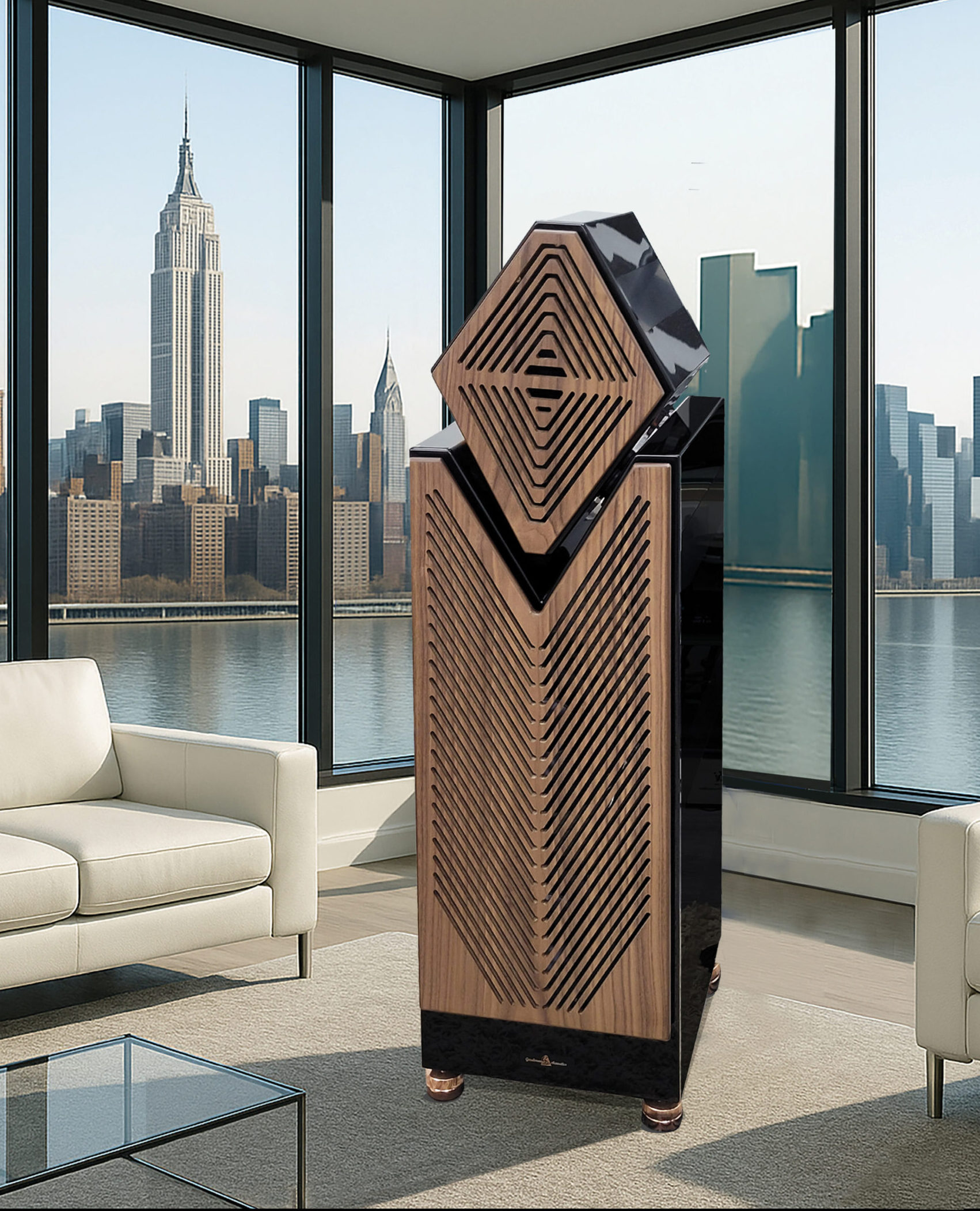
Symphoria
Flagship 3-Way Sealed Reference Loudspeaker with Dual Patented Bass Traps (BCT) & SSAS Isolation
Explore Model →
30th Anniversary Black Swan
No-Holds-Barred Reference Loudspeaker with SSAS A-Frame Enclosure (18Hz–24kHz)
Explore Model →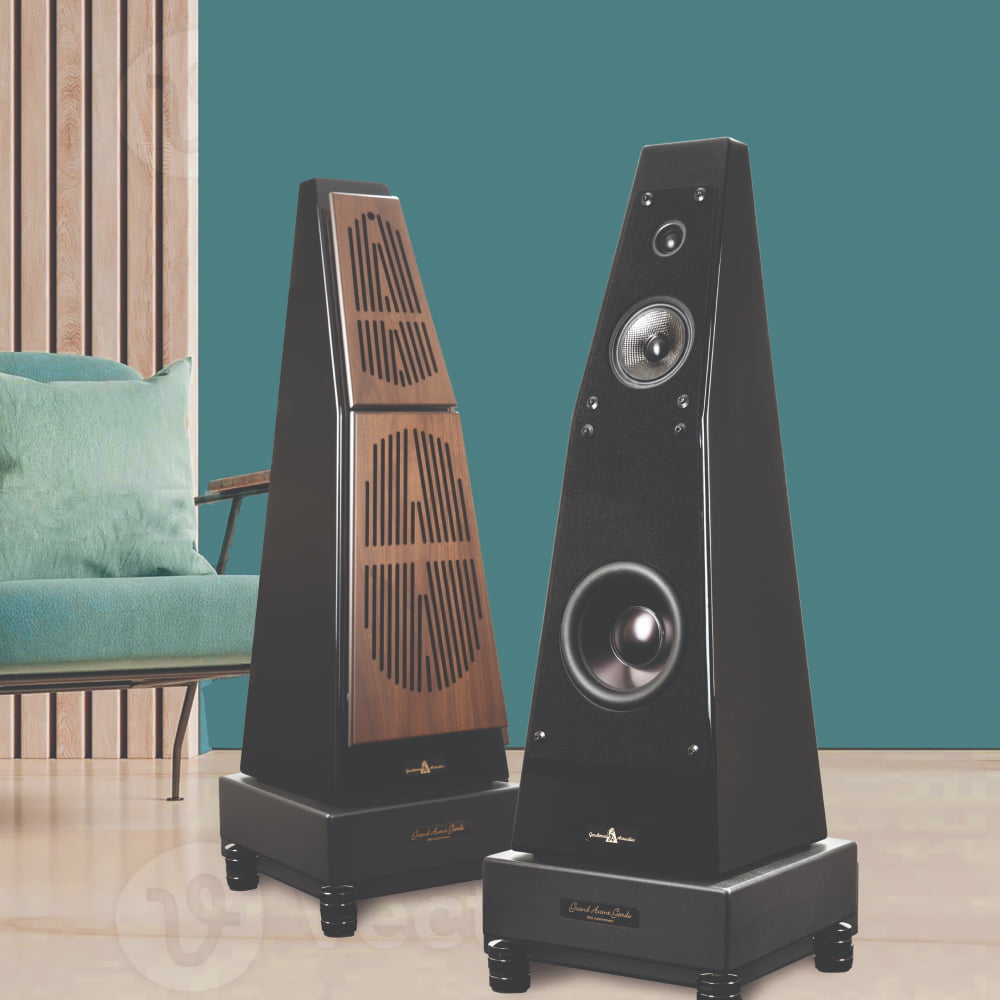
30th Anniversary Grand Avant Garde
Award-Winning Tapered Floorstanding Loudspeaker with Patented Back-Wave Control Technology (BCT)
Explore Model →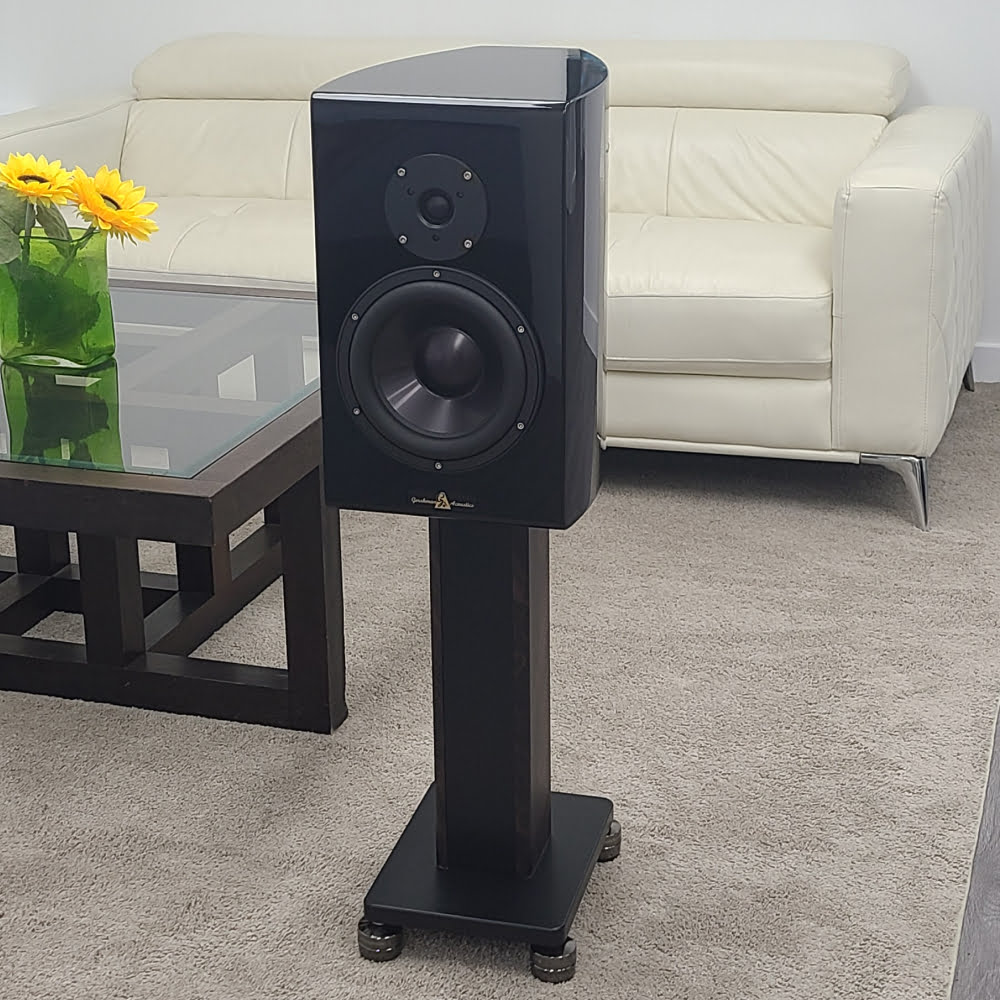
Studio II
Award-Winning Sealed Two-Way Reference Stand-Mount Loudspeaker (28Hz–24kHz)
Explore Model →