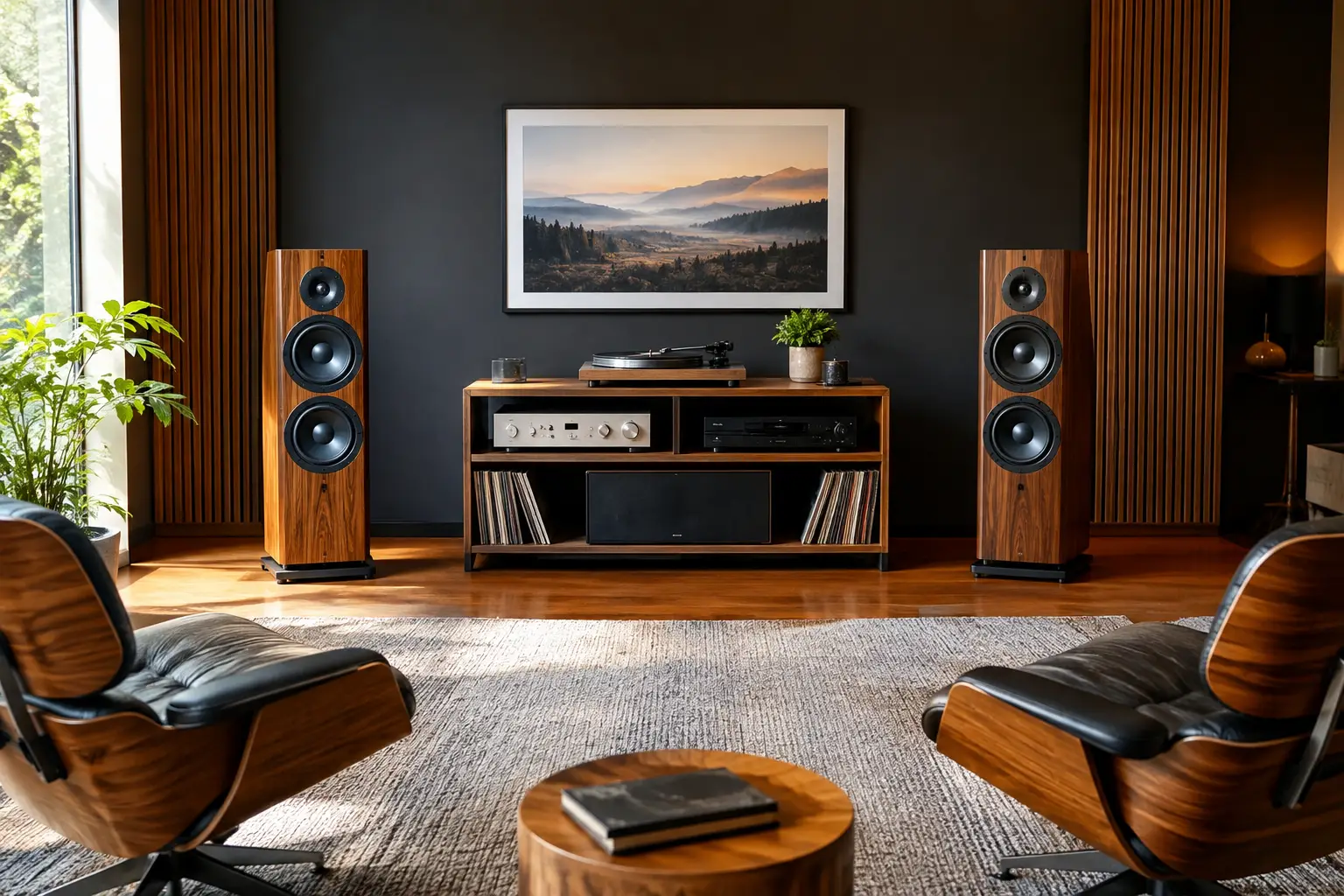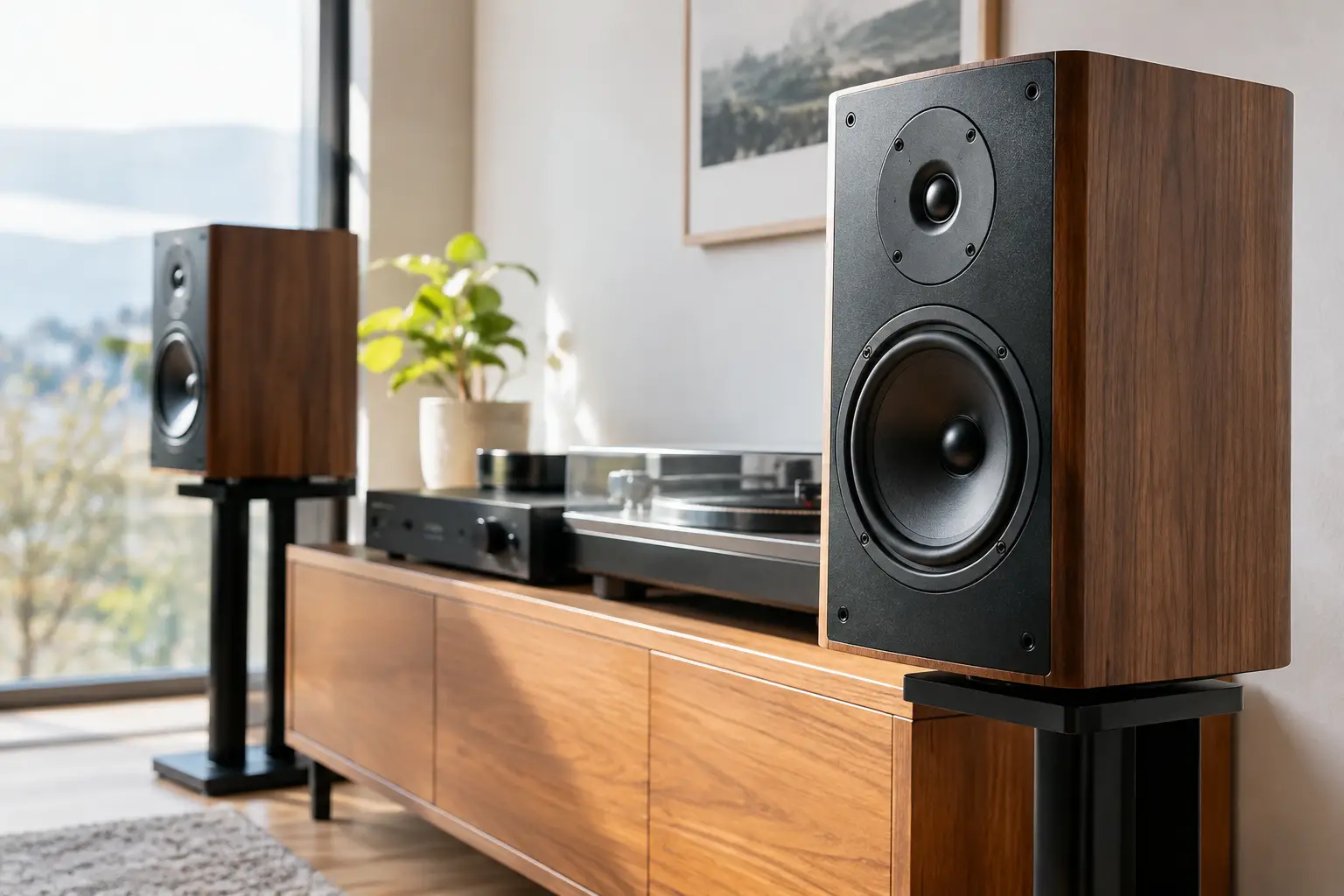
The first convincing note in a dedicated listening room often arrives before the music begins. It is the quiet of a properly considered space, the sense that the chair, loudspeakers, light, and architecture are all waiting for the same event. The best dedicated stereo room examples are not built around equipment racks or specification sheets alone. They are shaped around the emotional experience of hearing a familiar performance become startlingly present.
A dedicated room gives music the attention it rarely receives in an open-plan home. It allows the system to breathe, reduces compromise, and creates a setting where a vocalist can appear with human scale between the loudspeakers, where a bowed cello retains its woody texture, and where an orchestra expands beyond the walls without becoming a wash of sound. Yet there is no single formula. Room dimensions, construction, furnishings, and listening habits all determine what excellence looks like.
Dedicated Stereo Room Examples for Different Homes
The most successful rooms share a principle: the room serves the music, rather than forcing the music system to decorate around everything else. The following approaches show how that principle can live in very different residences.
The purpose-built listening salon
A purpose-built salon is the most complete expression of a two-channel room. Often located away from the busiest parts of the house, it is designed with proportion, symmetry, and silence in mind from the first architectural drawings. A moderately rectangular room generally gives the loudspeakers enough distance from boundaries while preserving a focused listening triangle.
In this setting, the system is usually placed along the shorter wall, firing down the length of the room. The loudspeakers stand clear of the front wall and sidewalls, while the primary seat is positioned well away from the rear wall. This creates the depth needed for believable imaging and helps low frequencies develop with greater authority and control.
The luxury of this room is not excess treatment or visual austerity. It is restraint. Concealed bass absorption, carefully chosen rugs, textured plaster, wood millwork, and upholstered seating can coexist beautifully. A pair of handcrafted loudspeakers becomes part of the architecture, with cabinetry and lighting composed to honor rather than distract from their sculptural presence.
The library that becomes a listening room
Not every exceptional room begins as a blank canvas. A library, study, or formal sitting room can become an intimate stereo retreat when its existing character is respected. Floor-to-ceiling bookshelves are especially valuable because their varied depths scatter reflections naturally. Leather, fabric, books, and a substantial rug contribute welcome absorption without making the room feel acoustically lifeless.
This is a particularly compelling approach for collectors who listen for long evenings rather than brief demonstrations. Place the loudspeakers on the wall with the most visual symmetry, then establish a centered seat. The room does not need to be perfectly symmetrical in every detail, but the area immediately around the speakers should be as balanced as practical.
A library also encourages a more personal scale. Rather than building a room around maximal volume, it invites close, absorbing listening: a piano trio at realistic size, a late-night vocal record, or the subtle studio ambience surrounding a jazz quartet. The trade-off is that shelves and furniture may limit placement flexibility. Careful adjustment of speaker distance, toe-in, and the listening position becomes essential.
The refined media room with a two-channel heart
A media room can serve both cinema and serious stereo, provided its design does not treat music as an afterthought. The central challenge is avoiding a screen-dominated layout that pushes loudspeakers into corners or places the listener too close to a rear wall. A projection screen that disappears when not in use, or a discreet display integrated into millwork, can preserve the room’s musical focus.
For two-channel listening, the left and right loudspeakers should still have room to form a proper soundstage. They should not be buried in cabinetry, crowded by a center channel, or positioned solely for visual convenience. If a multichannel system is part of the plan, make the stereo pair the foundation and build the remaining channels around them.
This arrangement suits homeowners who want one elegant entertainment space rather than separate technical rooms. It does involve compromise. The ideal location for movie seating may not be the ideal location for stereo imaging. A thoughtful design resolves this with flexible seating, discreet acoustic treatment, and equipment control that makes a dedicated music session feel immediate rather than procedural.
The converted lower-level retreat
A lower-level room can offer valuable isolation from household activity, but it demands attention to construction. Concrete surfaces, low ceilings, and square proportions can exaggerate bass and shorten the sense of openness. These limitations are manageable, though they should guide the design from the outset.
The most effective lower-level rooms use broad, distributed acoustic control rather than a few decorative panels placed at random. Bass management matters first. Deep absorption, substantial furniture, and carefully located loudspeakers help prevent the heavy, one-note low end that can obscure a double bass or concert drum. Ceiling treatment can be equally valuable when height is limited.
A lower-level room also benefits from a warmer visual vocabulary. Natural wood, rich textiles, dimmable lighting, and art bring intimacy to a space that might otherwise feel sealed off. The objective is not a laboratory. It is a private concert room where the room disappears and the recording takes over.
What These Rooms Get Right
Across these dedicated stereo room examples, three decisions matter more than fashionable décor: proportions, placement, and acoustic balance. A large room is not automatically better. A room that is too large for the system can feel diffuse, while a smaller room can be remarkably involving when its bass behavior and reflection points are handled with care.
Begin with speaker placement before commissioning built-ins or selecting the final seating. Give each loudspeaker adequate space from the front and side boundaries, then adjust gradually by ear. Small movements can change the perceived depth of the stage, vocal focus, and weight of the bass. The listening chair deserves the same care. Sitting against the rear wall is convenient, but it commonly places the listener in a region of exaggerated bass.
Acoustic treatment should preserve life, not erase it. A room with too many absorptive surfaces may sound controlled yet emotionally diminished, with little sense of air around instruments. The goal is a balanced blend of absorption and diffusion, particularly at early reflection points and in areas where bass accumulates. An experienced acoustician can be worthwhile when a room is being built or significantly renovated, but attentive listening remains the final authority.
Designing for Listening, Not Display
Luxury audio is most persuasive when it feels effortless. Avoid treating the room as a showroom where every component competes for attention. Let the loudspeakers hold their rightful visual presence, then organize the rest of the room around comfort, calm, and usability. Equipment can be displayed with pride or integrated discreetly, depending on the home’s architecture and the owner’s preferences.
Lighting deserves more consideration than it usually receives. Harsh overhead fixtures can make even a beautiful room feel clinical. Layered lighting, controlled from the listening position, changes the ritual of an evening session. A low pool of light beside the chair, illumination for record sleeves or liner notes, and subtle accent lighting behind architectural features are often enough.
Choose seating for both posture and time. A chair that looks dramatic but forces the listener to sit too low or too far back is a poor bargain. The ideal seat supports relaxed, centered listening for the length of a full album. If the room accommodates guests, place secondary seating outside the critical listening position rather than crowding the room’s centerline.
The Loudspeaker as the Room’s Artistic Center
In a dedicated stereo room, loudspeakers are not simply devices that produce sound. They are the instruments through which the room reveals the recording. Their ability to preserve tonal color, resolve low-level detail, and project a stable soundstage determines whether the space feels merely impressive or genuinely transporting.
This is why cabinet craftsmanship and aesthetic proportion matter alongside engineering. A loudspeaker of real presence can complement fine furnishings and architecture while producing the scale, immediacy, and emotional truth that a serious listening room demands. Gershman Acoustics designs its loudspeakers with that union in mind: musical realism that belongs in a room of lasting beauty.
The final measure is simple. When the room is right, you stop evaluating the room. You notice the intake of breath before a phrase, the decay of a piano note, the distance between musicians, and the sudden realization that you have listened through the entire record without once thinking about the system.
Explore Gershman Acoustics Reference Loudspeakers
Experience the lifelike soundstage, deep controlled bass, and artisanal cabinetry discussed in our guides.
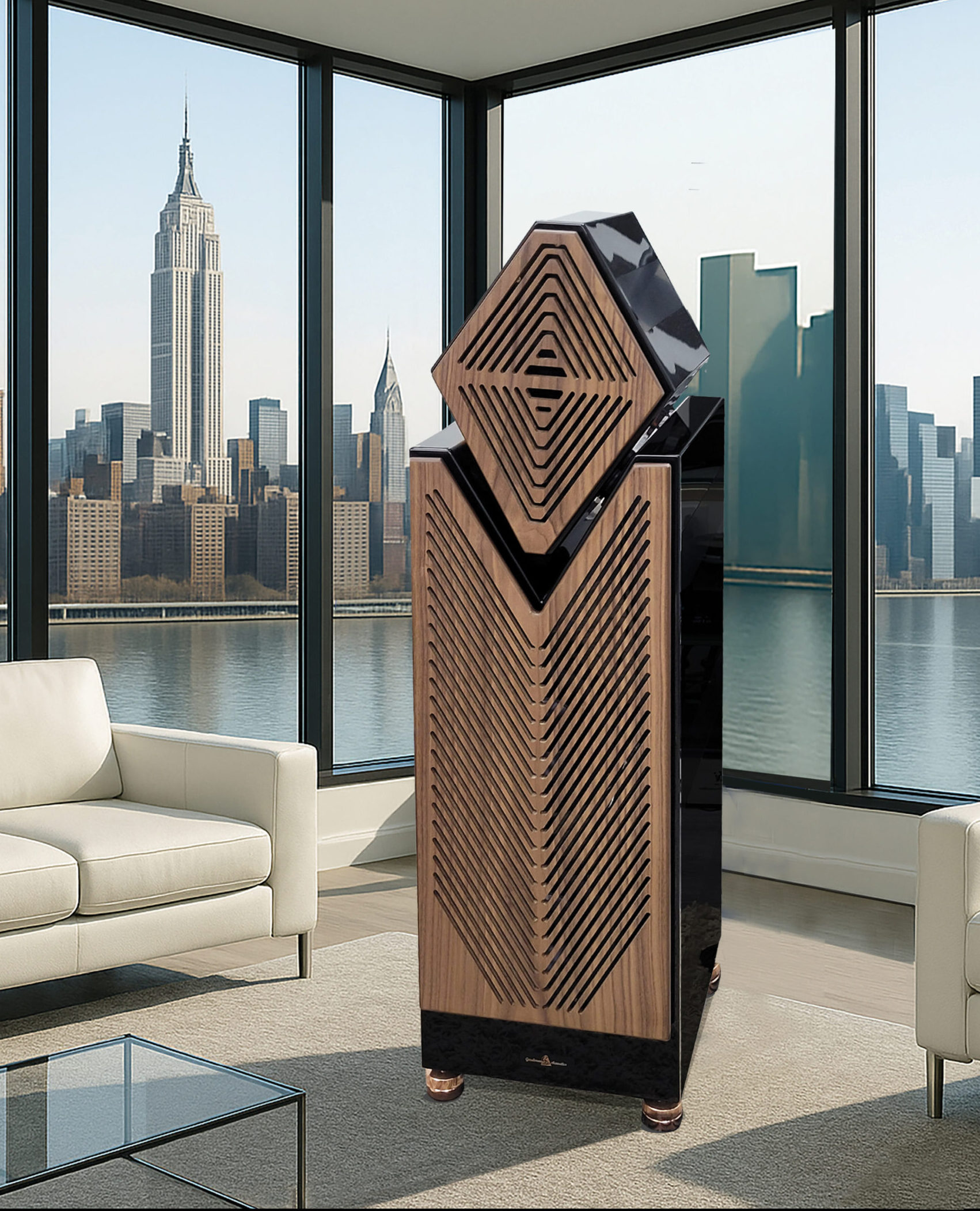
Symphoria
Flagship 3-Way Sealed Reference Loudspeaker with Dual Patented Bass Traps (BCT) & SSAS Isolation
Explore Model →
30th Anniversary Black Swan
No-Holds-Barred Reference Loudspeaker with SSAS A-Frame Enclosure (18Hz–24kHz)
Explore Model →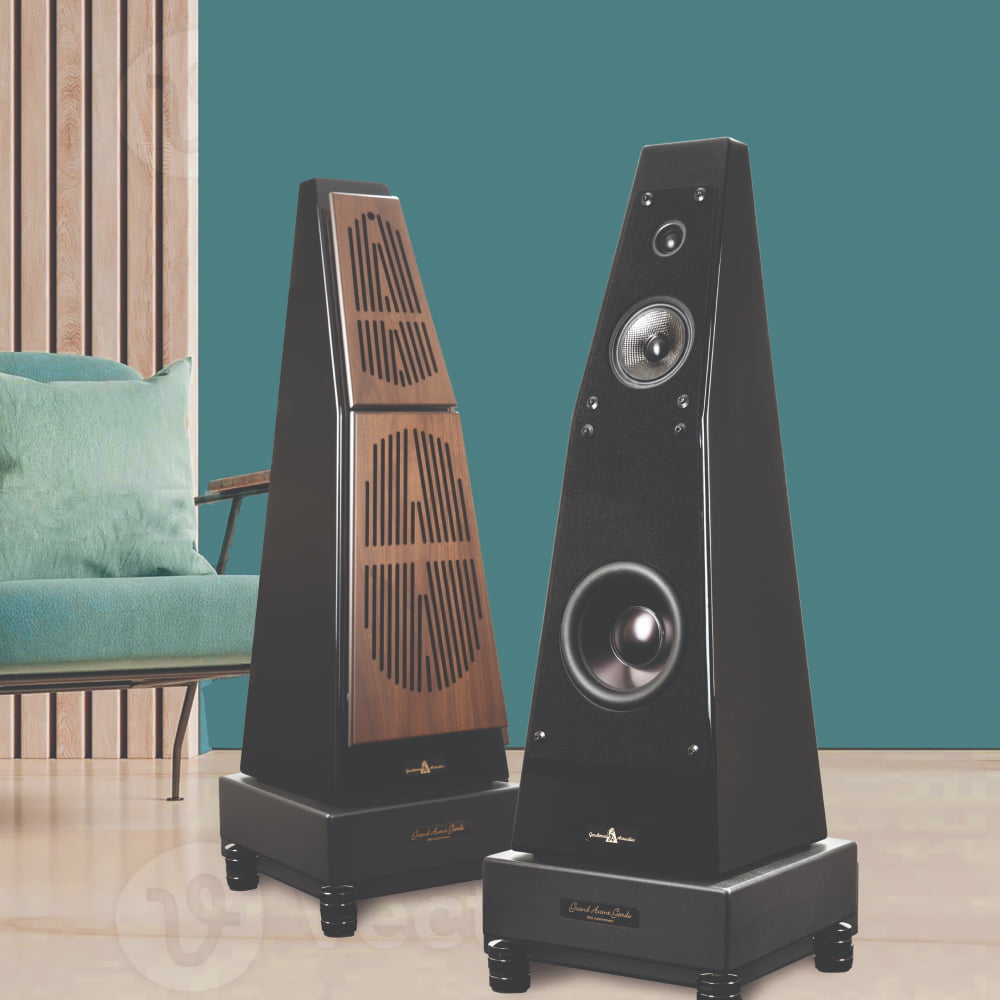
30th Anniversary Grand Avant Garde
Award-Winning Tapered Floorstanding Loudspeaker with Patented Back-Wave Control Technology (BCT)
Explore Model →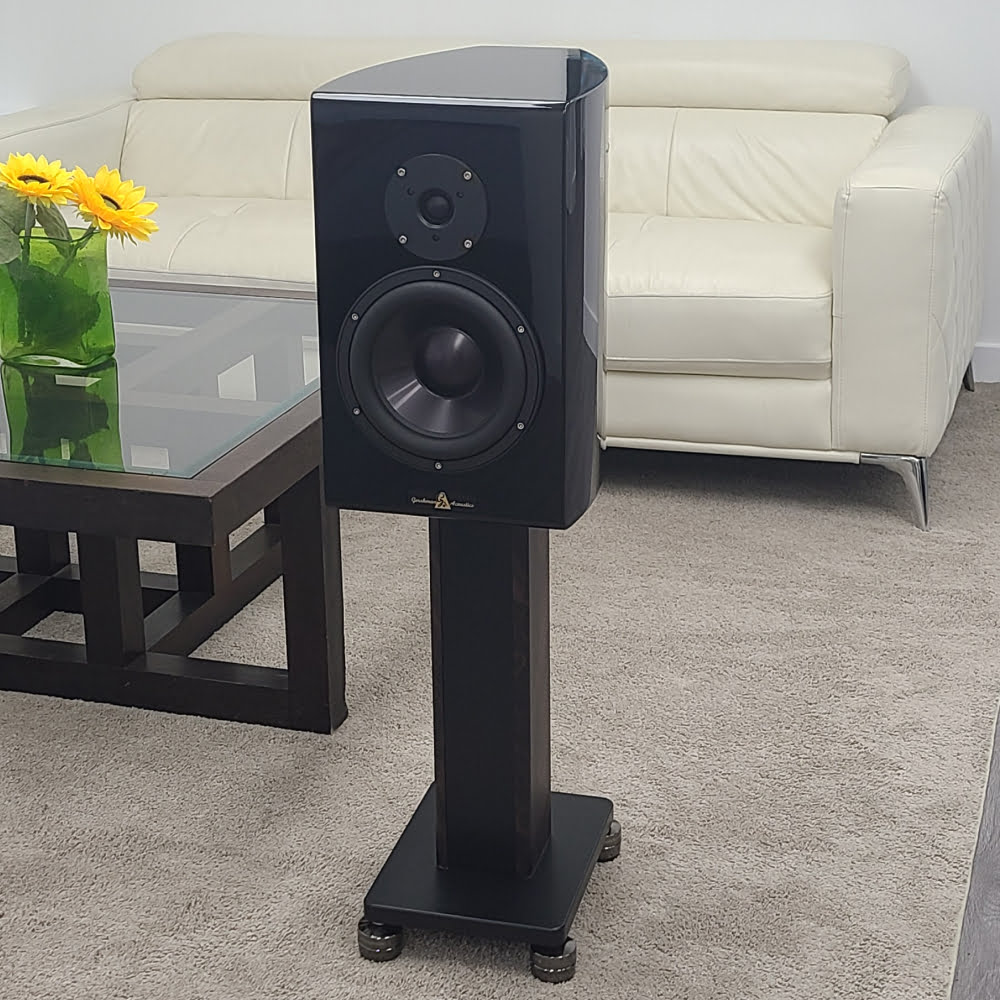
Studio II
Award-Winning Sealed Two-Way Reference Stand-Mount Loudspeaker (28Hz–24kHz)
Explore Model →