A beautifully recorded piano passage can tell you everything in seconds. On one system, the instrument feels flattened and mechanical. On another, you hear the weight of the hammers, the bloom of the soundboard, and the air around each note. That is where the passive vs active speakers conversation becomes more than a technical comparison. It becomes a question of how you want to experience music at home.
For serious listeners, the choice is not about which category is universally better. It is about priorities. System flexibility, amplifier matching, room integration, long-term upgrade paths, industrial design, and the simple pleasure of building a system all matter. The right answer depends on the listener, the room, and the level of refinement you expect every time the music begins.
Passive vs active speakers: the real difference
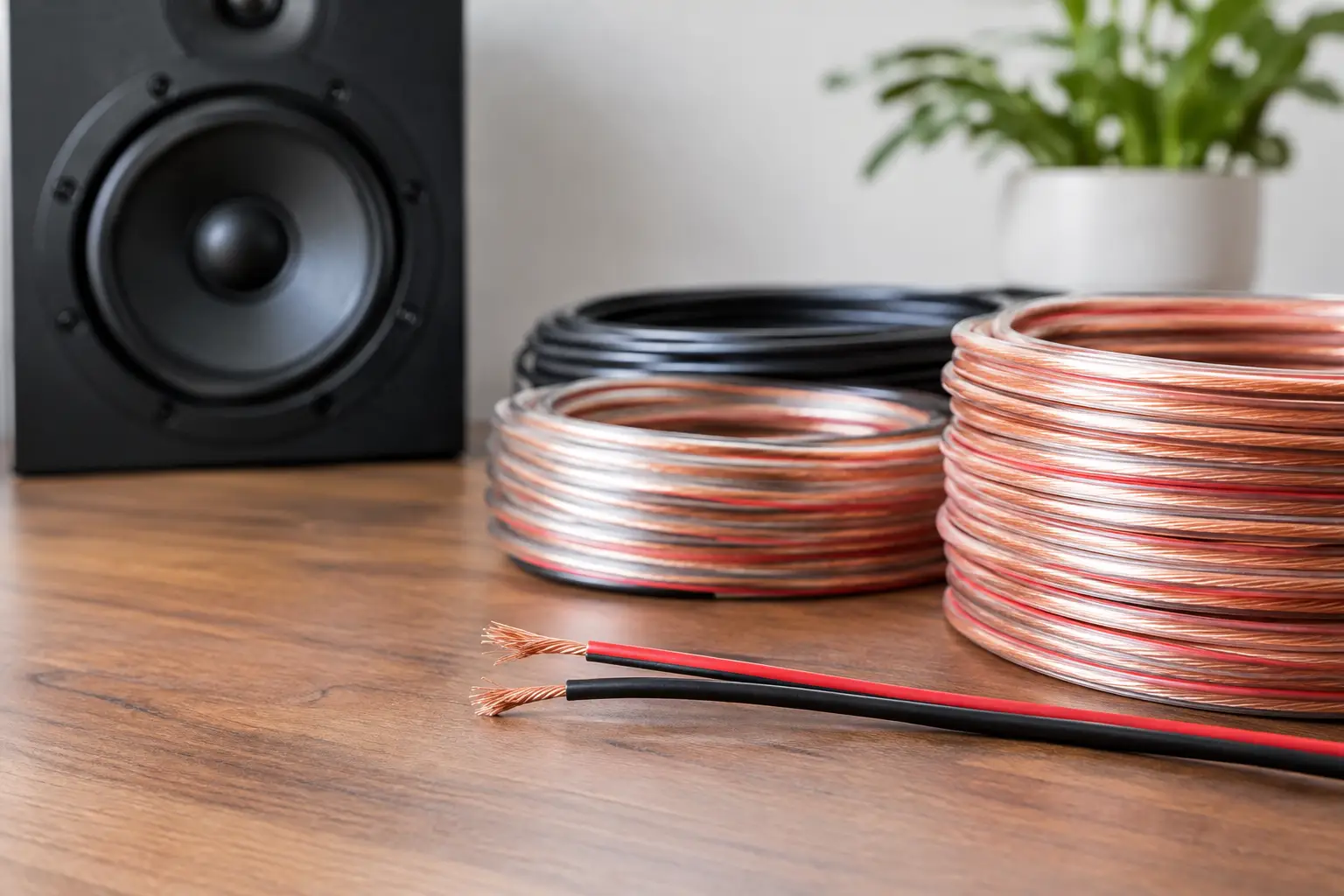
At the most basic level, passive speakers require an external amplifier. The speaker receives an already amplified signal and uses a passive crossover network inside the cabinet to direct frequencies to the appropriate drivers. This is the traditional path in high-end audio, and for good reason. It allows a listener to choose an amplifier with a particular sonic character, power profile, and design philosophy.
Active speakers, by contrast, include amplification inside the speaker itself. In many cases, each driver or driver section has its own dedicated amplifier channel, with the crossover placed before amplification at line level or in the digital domain. That arrangement gives the designer much tighter control over the relationship between amplifier, driver, and crossover behavior.
On paper, active speakers can look like the cleaner engineering solution. In practice, passive loudspeakers remain deeply compelling because they invite a more considered, more personal approach to music reproduction. For many discerning listeners, that freedom is not a side benefit. It is central to the pleasure of ownership.
Why passive speakers still define high-end listening
A finely crafted passive loudspeaker offers something active systems often cannot replicate in quite the same way: openness to system building. When the amplifier is not fixed inside the cabinet, you are free to shape the presentation around your taste. Some listeners want tonal richness and harmonic color. Others want speed, grip, and absolute transient precision. With passive speakers, the amplifier becomes part of the artistry.
This matters because no two listening rooms are identical, and no two listeners hear music in exactly the same way. A passive design allows you to refine the chain over time, pairing the loudspeaker with electronics that complement its character and your room. That path tends to appeal to experienced audiophiles who value not only sonic results, but also the journey toward them.
There is also a tactile and architectural elegance to a passive system. Separate components, when chosen well, create a sense of purpose and permanence. A beautifully designed loudspeaker paired with carefully selected electronics can feel less like a gadget and more like a lasting instrument for the home.
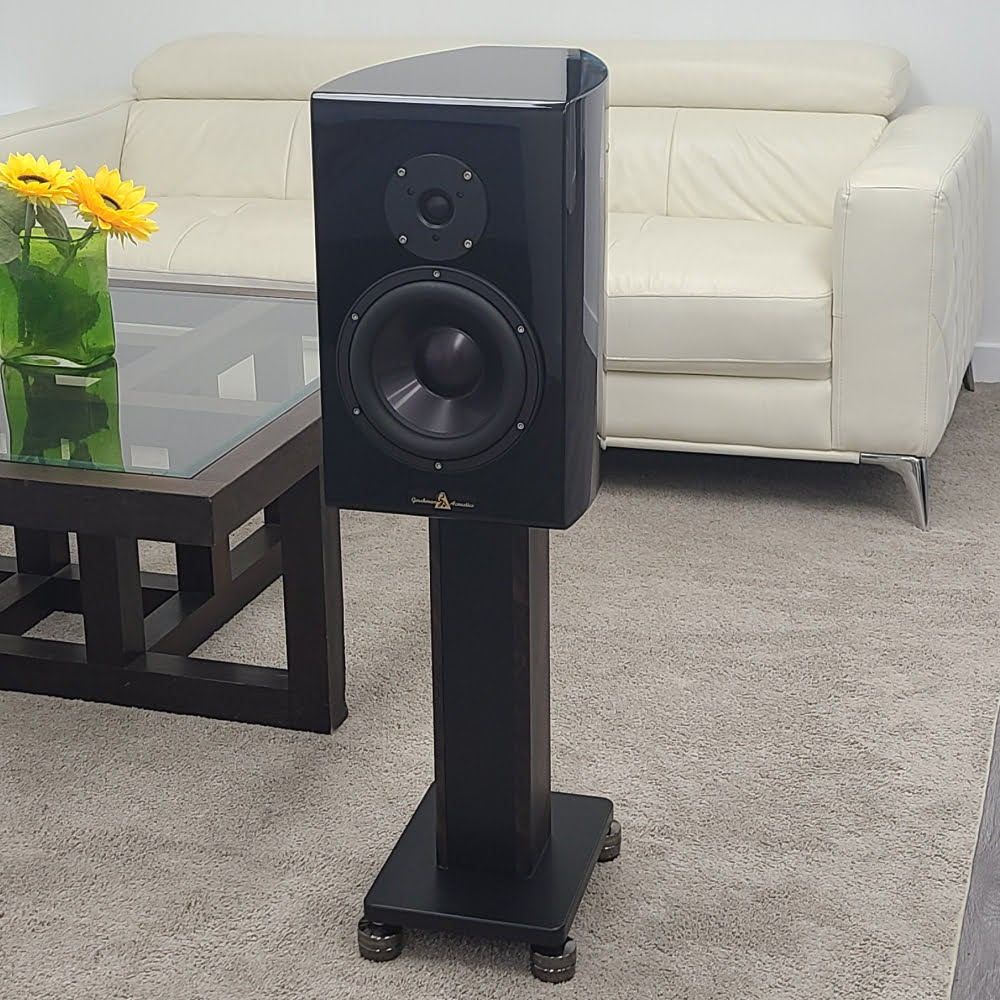
For brands that treat loudspeaker design as both engineering and craftsmanship, passive architecture remains especially meaningful. It allows cabinet geometry, crossover voicing, driver behavior, and amplifier synergy to come together in a way that feels deeply intentional.
The strengths of passive design
The classic advantages of passive speakers are easy to understand, but they are often understated. First, there is upgrade flexibility. You can change amplifiers, preamplifiers, cables, and source components without replacing the loudspeaker itself. That extends product life and invites gradual system refinement rather than wholesale replacement.
Second, passive speakers can be easier to service over the long term. Electronics age differently than drivers and cabinetry. Keeping amplification separate can simplify maintenance and preserve the loudspeaker as a long-term investment.
Third, many listeners simply prefer the performance ceiling available from a thoughtfully matched passive system. Not because active engineering is inherently limited, but because the world of high-end amplification offers extraordinary choices. A reference-grade amplifier driving an accomplished passive loudspeaker can produce a scale, texture, dimensionality, and ease that feels breathtakingly lifelike.
Where active speakers make sense
Active speakers are compelling for listeners who value simplicity and precise factory tuning. Because the designer controls the amplification and crossover relationship, the system can be optimized as a complete package. That can bring meaningful benefits in coherence, bass management, and setup convenience.
In studio environments, active monitors are common because they deliver consistency and efficiency. In modern living spaces, active speakers can also reduce system clutter. Fewer boxes, fewer cable runs, and fewer matching decisions can be very attractive, especially for buyers who want strong performance without building a traditional component-based system.
Some active speakers also include wireless streaming, digital signal processing, room correction, and app-based control. Those features can be useful, especially in multipurpose rooms where convenience matters as much as sonics.
Still, convenience comes with trade-offs. When amplification and processing are built in, your future upgrade path narrows. If your taste evolves, or if one part of the internal electronics becomes dated, replacing the entire speaker may feel less satisfying than upgrading a separate amplifier in a passive system.
The trade-offs active buyers should consider
The active route can be excellent, but it is not automatically more refined. Much depends on execution. Built-in amplification can be expertly implemented, or it can be designed around cost, compactness, or feature count rather than absolute musical realism.
There is also the question of longevity. Digital platforms change quickly. Control apps become outdated. Streaming standards evolve. A loudspeaker cabinet built to last decades may still be tied to electronics with a shorter relevance cycle. For buyers investing in luxury audio, that difference deserves careful thought.
And then there is emotional character. Some active systems impress immediately with clarity and control, yet over longer listening sessions can feel less organic or less involving than a beautifully voiced passive setup with exceptional amplification behind it. That is not a rule. It is simply a reminder that measured convenience and musical seduction are not always the same thing.
Passive vs active speakers for different listeners
If you love the idea of curating a system, passive speakers are usually the more rewarding choice. They suit listeners who care about amplifier topology, source quality, cable behavior, and the subtle but meaningful gains that come from thoughtful matching. They are also ideal for dedicated listening rooms where the system is meant to be an enduring centerpiece.
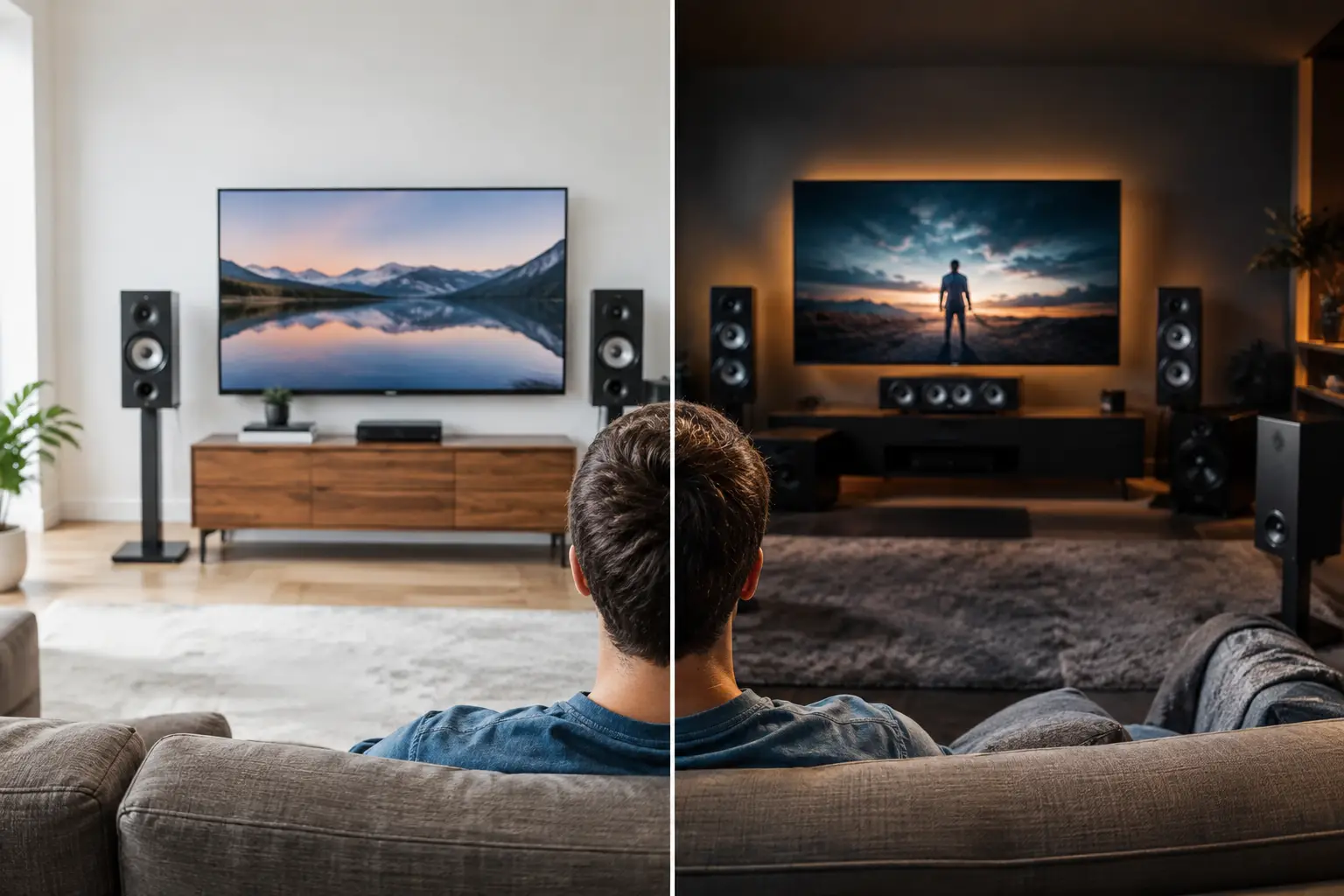
If you prefer a more self-contained experience, active speakers may be the smarter fit. They suit apartments, media rooms, design-driven spaces, and buyers who want fewer decisions between unboxing and listening.
The room itself can influence the answer. In a large room where dynamic scale and amplifier authority matter, a passive loudspeaker paired with suitably capable electronics often offers greater freedom and stronger ultimate performance. In a smaller room, a well-designed active speaker can be elegant, efficient, and more than satisfying.
Budget matters too, but not always in the way people assume. At lower and mid-tier price points, active speakers can offer excellent value because the manufacturer controls the whole chain. At the upper end, passive systems often justify their place through craftsmanship, upgradability, and the sheer sophistication of what separate electronics can achieve.
The listening test that matters most
Specifications will not settle this question for you. Neither will online debates. The deciding factor is how the system makes music feel in your room, with your recordings, at your preferred listening levels.
Listen for tonal naturalness first. Voices should sound human, not spotlighted. Strings should carry texture without glare. Piano should have body and decay, not just attack. Then listen for soundstage and imaging. A great system does not merely separate instruments. It places them in believable space.
Finally, pay attention to listening fatigue. A system that dazzles for five minutes may not invite you back for three hours. The best loudspeakers do not beg for attention. They draw you deeper into the performance with grace, control, and emotional honesty.
For many luxury buyers and seasoned audiophiles, that is why passive loudspeakers continue to hold such enduring appeal. They offer room for artistry, room for system synergy, and room for the kind of long-term ownership that deepens with every upgrade and every late-night listening session. At Gershman Acoustics, that philosophy has always aligned naturally with the belief that a loudspeaker should do more than reproduce sound. It should preserve the emotional truth of the music.
If you are choosing between passive and active, choose the path that fits not only your room and your budget, but your relationship with listening itself. The finest system is the one that makes you forget the equipment and stay with the music a little longer.