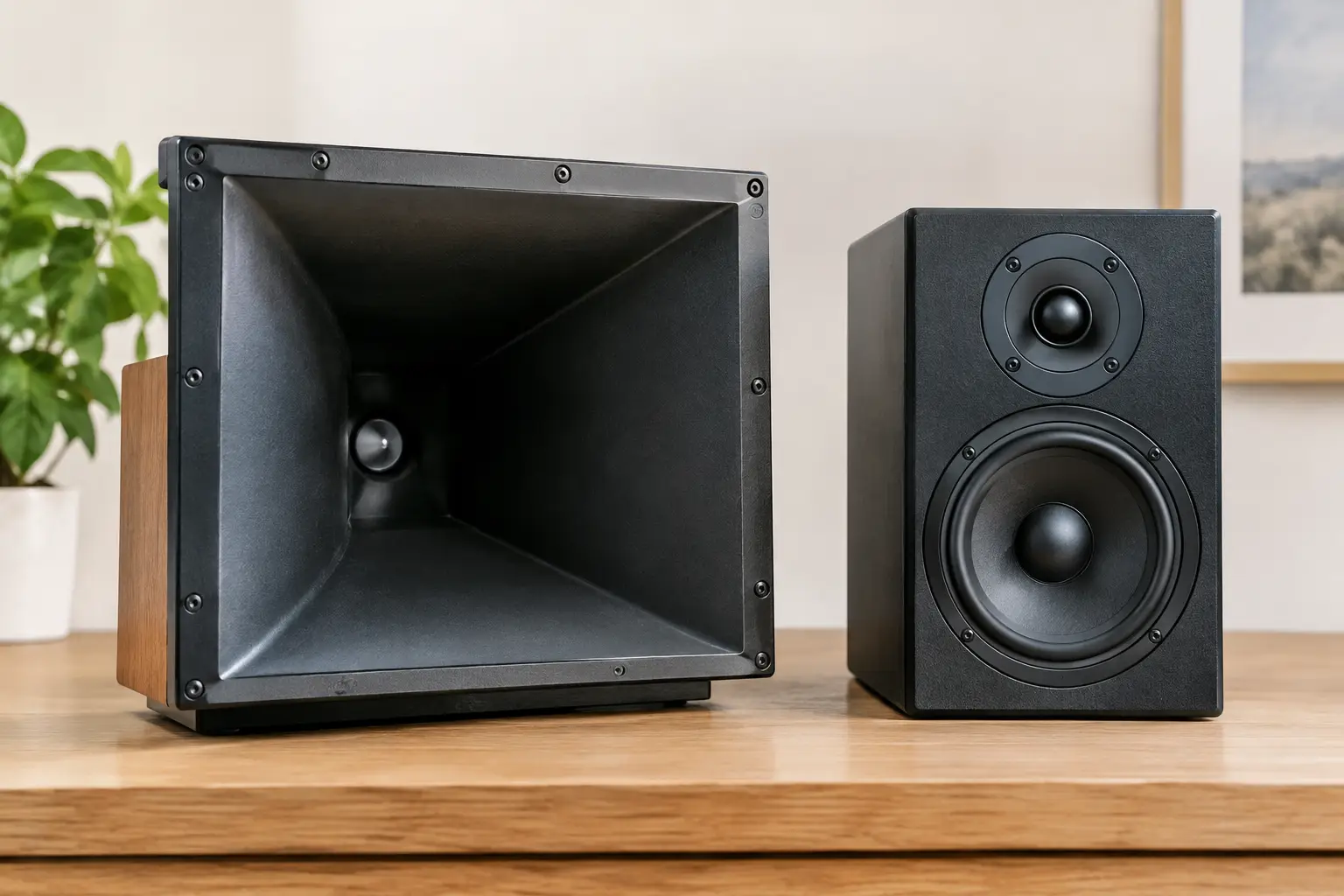
A fine loudspeaker can reveal the breath before a singer enters, the decay of a piano in a quiet hall, and the physical force of a double bass. Yet none of that promise is fully realized when the speaker is treated as furniture rather than an instrument. Speaker installation is the final, essential act in bringing an exceptional audio system to life – the point where engineering, room architecture, and personal listening habits meet.
For the discerning listener, placement is not a matter of chasing diagrams or measuring every inch with anxiety. It is a process of allowing the loudspeakers and the room to work together, so recorded music arrives with proportion, focus, tonal truth, and emotional ease.
Speaker Installation Begins With the Room
Every listening room has a voice. Its dimensions, surfaces, ceiling height, furnishings, and openings shape what reaches the ear. A large glass wall may add liveliness to upper frequencies. Stone, hardwood, and sparse furnishings can extend reverberation. Thick rugs, upholstered seating, bookshelves, and drapery can gently temper reflections. None of these qualities automatically makes a room good or bad, but each should inform how the system is installed.
Begin by choosing the listening position before committing to the loudspeaker position. In a dedicated room, avoid placing the primary chair directly against the rear wall, where bass energy tends to gather and obscure detail. A position somewhat into the room often creates a more balanced foundation and gives the soundstage space to develop behind the loudspeakers.
The speakers should generally fire down the longer dimension of a rectangular room. This gives low frequencies more distance to develop and often improves image depth. It is a starting point, not a law. Architectural constraints, open-plan spaces, and the character of a particular loudspeaker may suggest another approach.
Give the Loudspeakers Room to Breathe
Luxury floorstanding loudspeakers are designed to interact with the air around them. Positioning them too close to the front wall can reinforce bass excessively, flatten depth, and make voices seem attached to the cabinets. Moving them farther into the room usually brings greater dimensionality, clearer bass articulation, and more convincing separation between musical lines.
A sensible first position is to place each loudspeaker several feet from the wall behind it and well clear of side walls where possible. The exact distance depends on the speaker, room volume, and bass behavior. Some rooms reward a more generous distance from boundaries; others need a closer placement to preserve weight and warmth. The right setting is discovered by listening, not by applying a fixed formula.
Symmetry matters. Aim for similar distances from the side walls and comparable surroundings on the left and right. When one speaker is beside a bare window and the other is near a densely filled bookcase, the stereo image may pull to one side or lose its stability. If perfect symmetry is impossible, thoughtful furnishing and modest acoustic treatment can reduce the imbalance.
Avoid the temptation to hide serious loudspeakers in corners or push them tightly into cabinetry. That may satisfy a floor plan, but it asks the room to dominate the music. A beautifully made loudspeaker deserves visual presence, and its placement can become part of a composed interior rather than an interruption to it.
Start With a Strong Geometric Relationship
The distance between the loudspeakers should be close to the distance from each speaker to the listening position. This creates a broadly equilateral triangle and provides a dependable foundation for stereo imaging. If the speakers are much farther apart than the listening distance, the center image can lose substance. If they are too close together, the presentation may become narrow and congested.
Use familiar recordings with naturally recorded voices, acoustic instruments, and clear spatial information. A well-recorded vocal should appear centered, stable, and free from any sense that it is emerging from one cabinet. On an orchestral recording, the ensemble should expand beyond the speakers without losing its internal organization.
Small adjustments can have surprising consequences. Moving a speaker one or two inches can alter bass integration, image focus, and the apparent height of performers. Make one change at a time, then listen for several minutes. Immediate spectacle is not always the goal. The better position is often the one that makes music feel coherent over an entire evening.
Toe-In Is About Focus, Not Formula
Toe-in refers to angling the loudspeakers toward the listening position. It is one of the most effective ways to refine imaging and treble balance. With less toe-in, the soundstage may become wider and more relaxed, though image outlines can soften. With greater toe-in, center focus and detail may increase, but an overly direct angle can make the presentation feel too explicit or narrow.
Start with each loudspeaker aimed slightly inward, with their axes crossing just behind the listening chair. From there, adjust gradually. If cymbals sound etched, strings lose body, or the stage contracts, reduce the angle. If vocals seem vague or the center of the stage lacks conviction, add a little more toe-in.
The finest result does not announce itself as a technical achievement. It simply allows the performer to occupy a believable place in the room. A voice has size. A piano has weight and width. Silence around instruments feels intentional rather than empty.
Protect the Foundation: Floor, Level, and Stability
A loudspeaker cabinet moves air, but it also manages mechanical energy. Stable, level support helps preserve the precision built into the design. For carpeted floors, properly adjusted spikes can couple the speaker securely through the carpet to the subfloor. On hardwood, stone, or delicate surfaces, protective discs or carefully chosen footers can preserve both the finish and the installation.
Take time to ensure the loudspeakers are level and do not rock. This is especially worthwhile with substantial floorstanding designs, where a slight instability can compromise both safety and performance. After initial placement, recheck the supports once the cabinets have settled.
Cables deserve the same restraint as the rest of the system. Use appropriately terminated speaker cables, maintain correct polarity from amplifier to loudspeaker, and route power cords away from signal cables where practical. Elaborate cable choreography is unnecessary, but careless connections can undermine an otherwise considered installation. Confirm that the positive terminal at the amplifier connects to the positive terminal at each speaker, then listen for a solid, centered image and fully formed bass.
Let the System Settle Before Judging It
New loudspeakers, a new room, and a new arrangement all require time. Mechanical components settle, but so does the listener. Initial impressions can be shaped by expectation, unfamiliarity, or a single dramatic recording. Give the installation a few extended sessions across different music before making large changes.
Choose recordings you know intimately: a favorite jazz trio, an uncompressed vocal performance, a string quartet, or a live concert whose atmosphere you can recognize instantly. Listen at realistic levels, not only at the volume that first impresses. The right installation remains composed when the music grows dynamic and remains communicative when it becomes quiet.
This is where a handcrafted loudspeaker reveals its deeper value. Models from Gershman Acoustics are created to convey more than frequency extremes or impressive scale. Their purpose is to preserve the human and harmonic relationships within a performance. Placement that respects this intention allows bass to be controlled rather than merely abundant, detail to remain natural rather than insistent, and the soundstage to feel expansive without becoming artificial.
When Professional Setup Is Worthwhile
A professional installation can be especially valuable in a large listening room, a highly reflective modern interior, a multi-purpose living space, or a system of significant complexity. An experienced dealer or installer can assess room behavior, optimize placement with measurement tools, integrate subwoofers where appropriate, and address practical concerns such as concealment, power, vibration control, and visual balance.
Professional help should not remove the listener from the process. The final voice of the system is personal. A room may measure well while sounding too lean, too forward, or insufficiently involving for its owner. The best installation combines technical discipline with the listener’s response to the music that matters most.
A great system should not make you think about speakers at all. It should make you return to an album you have known for years and hear not more hi-fi detail, but more of the artist’s intention. Give the installation patience, space, and careful attention, and the room may become the place where music feels most alive.
Explore Gershman Acoustics Reference Loudspeakers
Experience the lifelike soundstage, deep controlled bass, and artisanal cabinetry discussed in our guides.

Symphoria
Flagship 3-Way Sealed Reference Loudspeaker with Dual Patented Bass Traps (BCT) & SSAS Isolation
Explore Model →
30th Anniversary Black Swan
No-Holds-Barred Reference Loudspeaker with SSAS A-Frame Enclosure (18Hz–24kHz)
Explore Model →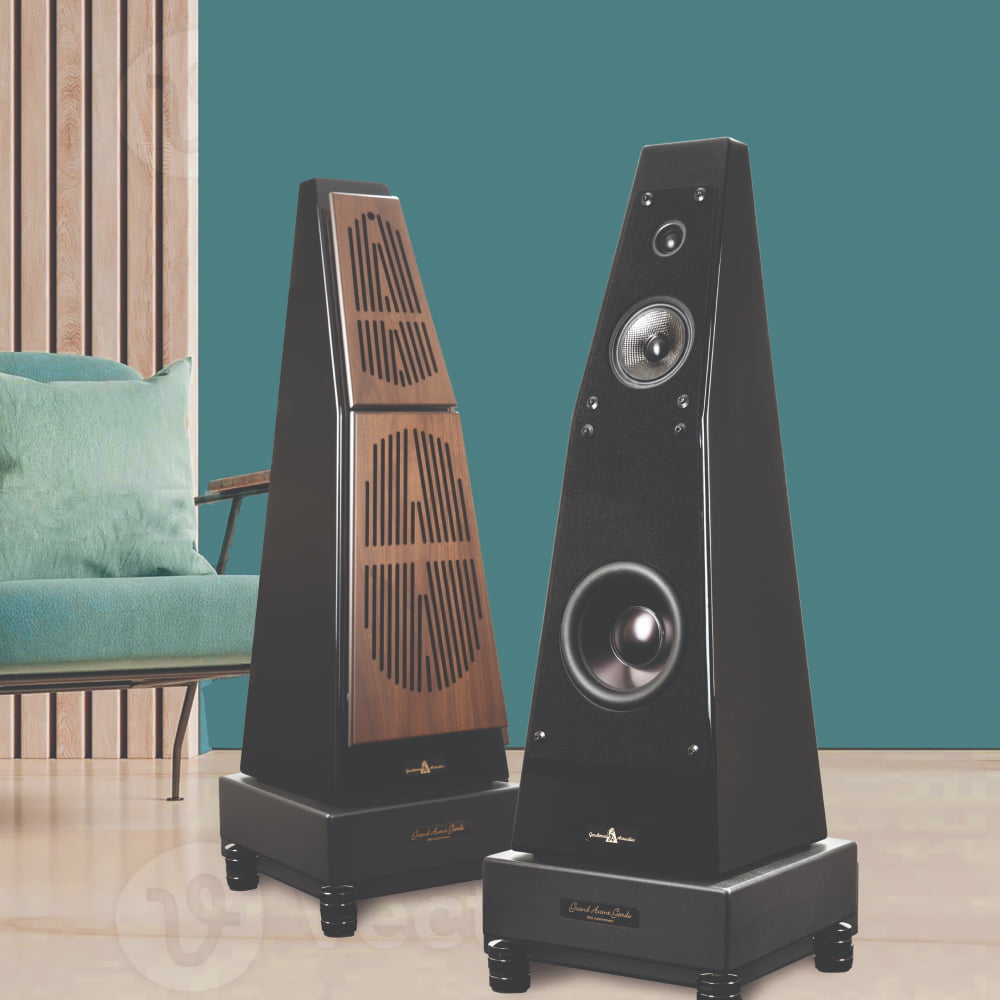
30th Anniversary Grand Avant Garde
Award-Winning Tapered Floorstanding Loudspeaker with Patented Back-Wave Control Technology (BCT)
Explore Model →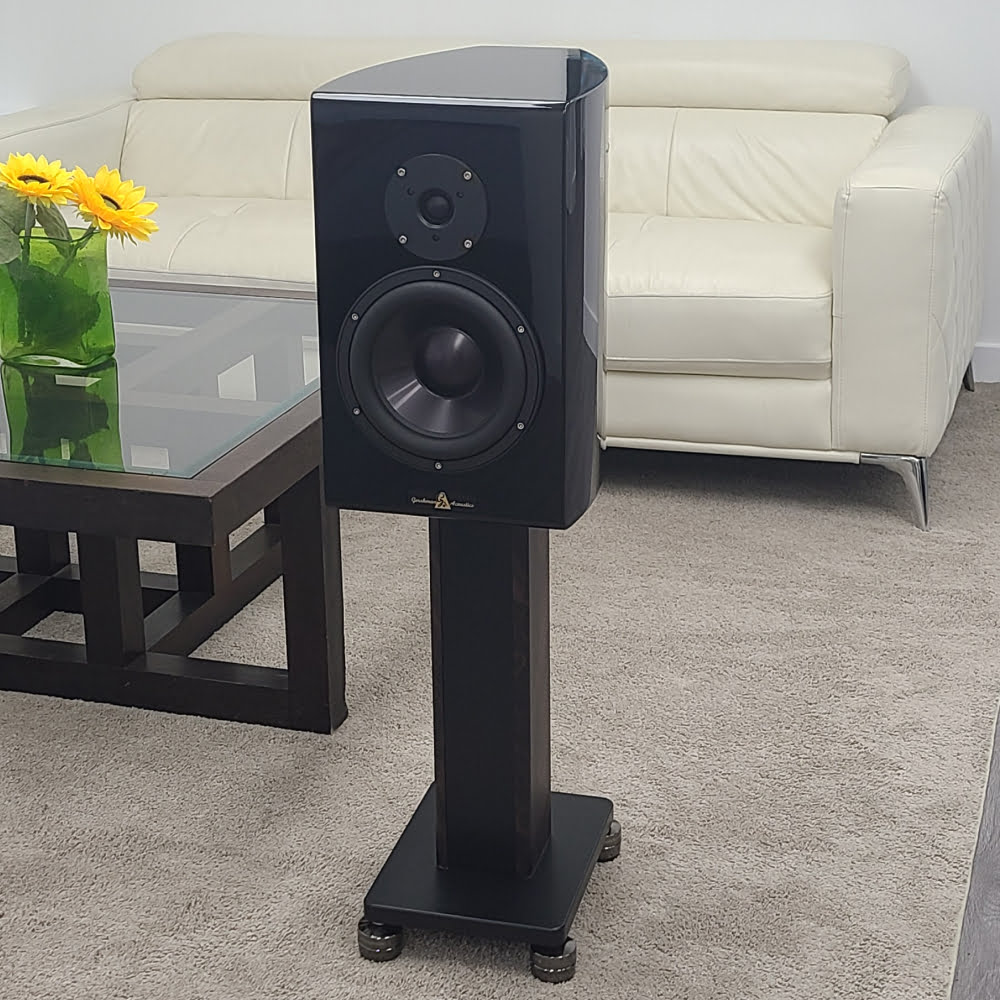
Studio II
Award-Winning Sealed Two-Way Reference Stand-Mount Loudspeaker (28Hz–24kHz)
Explore Model →