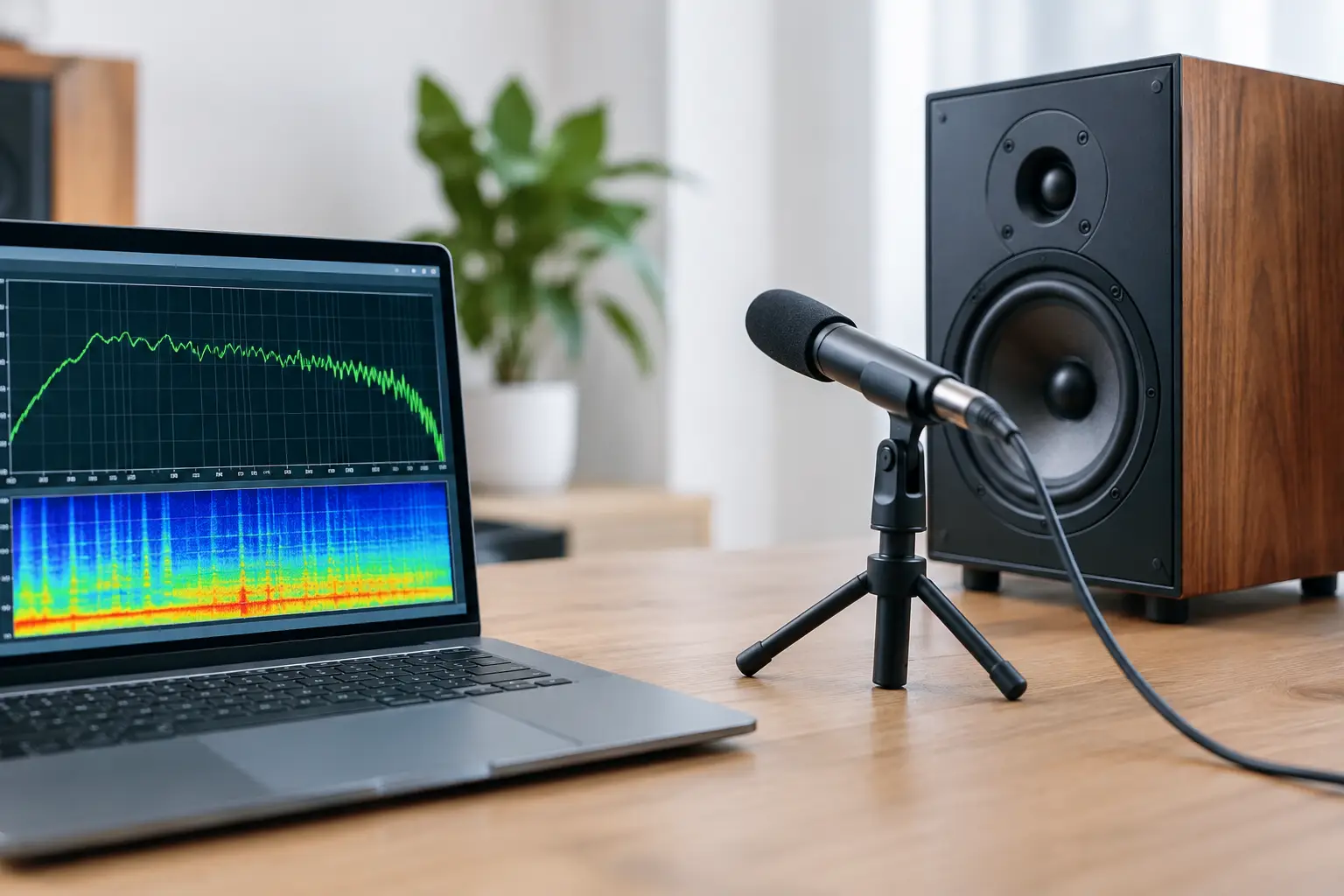
A loudspeaker specification can look wonderfully decisive: a frequency range, a sensitivity figure, an impedance rating. Yet audiophile speaker measurements are not a scorecard for musical pleasure. They are a disciplined way to understand what a loudspeaker is likely to do before it enters the far more complex acoustic instrument that is your listening room.
For a discerning listener, measurements and listening are not competing philosophies. The former can reveal engineering quality, compatibility, and potential limitations. The latter answers the question that matters most: does a familiar voice possess breath, body, and emotional intent? Does an orchestra expand naturally beyond the cabinets? Does a bass line have both weight and pitch?
Why Audiophile Speaker Measurements Need Context
A measurement is only as meaningful as the conditions behind it. Was the speaker measured in an anechoic chamber, a large room, or close to a boundary? At what level? With what smoothing? Was the bass response spliced from near-field measurements, or assessed in-room? These choices are legitimate, but they can produce graphs that tell different parts of the story.
This is why a single impressive number should never decide a luxury loudspeaker purchase. A claimed response of 20 Hz to 20 kHz says little without tolerances. A response listed as 20 Hz to 20 kHz within plus or minus 3 dB is far more informative than the same range without qualification. Even then, it does not tell you how the speaker distributes sound into the room, how it behaves when driven, or whether its tonal character serves the music you love.
The finest designs balance measurable discipline with the subtler qualities that make a performance believable. Cabinet behavior, crossover execution, driver integration, and dispersion all influence what reaches the listener. None can be reduced to one headline specification.
Frequency Response: Tonal Balance in View
Frequency response is the graph most enthusiasts encounter first. It shows a speaker’s output across the audible spectrum and offers a useful window into tonal balance. Broad deviations are generally more consequential than tiny, narrow ripples. A persistent excess in the upper midrange may make vocals feel forward or fatiguing. A broad dip through the presence region can make music seem distant. Uneven bass can obscure the rhythmic foundation of a recording.
A well-engineered loudspeaker does not need to trace a perfectly flat line in every measurement. In fact, the response heard in a room is shaped by reflections and room gain, particularly at low frequencies. What deserves attention is smoothness, sensible overall balance, and consistency across several angles rather than visual perfection in one narrow test.
Look Beyond the On-Axis Trace
The on-axis response describes what arrives directly at the listening position when the speaker is aimed precisely at the microphone. It matters, but it is not the entire listening experience. Sound radiated to the sides, above, and below the speaker reflects from walls, floors, ceilings, furnishings, and the front wall. Those reflections contribute to perceived tonal color, spaciousness, and image stability.
A speaker with a smooth on-axis curve but erratic off-axis behavior can sound refined in one position and unsettled elsewhere. Conversely, controlled, gradual dispersion tends to create a more coherent relationship between direct and reflected sound. This is one reason placement and toe-in remain essential, even with an exceptional loudspeaker.
Directivity and Imaging Are Closely Related
Directivity describes how a loudspeaker’s output changes as you move away from its central axis. It is often presented through a family of frequency-response curves or a contour plot. The visual language may look technical, but its audible importance is immediate.
When directivity changes abruptly through a crossover region, instruments can shift in tonal character as they move across the soundstage. Reflections may acquire a different color from the direct sound. When it is well managed, the loudspeaker can preserve the scale of a hall, the boundaries of a studio recording, and the precise placement of performers without pinning every image unnaturally to a driver.
Imaging is not created by directivity alone. Matched pairs, crossover phase behavior, cabinet diffraction, room symmetry, and careful setup all matter. Still, dispersion data can offer valuable reassurance that a speaker is designed to communicate with a real room, not merely to impress under a single laboratory condition.
Bass Extension Is Not the Same as Bass Quality
Deep bass specifications attract attention, understandably. The fundamental of a grand piano, the resonance of a cello, and the physical authority of a concert bass drum demand genuine low-frequency capability. Yet extension alone does not guarantee satisfaction.
A speaker may reach very low frequencies on paper while sounding slow, swollen, or indistinct in a particular room. Room modes can exaggerate some bass notes and diminish others dramatically. Placement near walls and corners can add useful authority, but it can also make the lower registers overripe. A measurement taken outdoors or in an anechoic environment cannot predict every room interaction.
The more revealing question is whether the speaker reproduces low frequencies with control, definition, and continuity into the midrange. You should be able to follow the tonal progression of an acoustic bass, not merely feel its presence. In a thoughtfully engineered loudspeaker, bass supports the music’s architecture rather than becoming the event itself.
Impedance and Sensitivity: The Amplifier Partnership
Sensitivity indicates how loudly a loudspeaker plays from a given input, commonly stated as decibels at one meter with 2.83 volts applied. It is useful for estimating required amplifier power, but it needs to be read alongside impedance. A high sensitivity rating does not automatically mean an easy load.
Impedance varies with frequency. A speaker nominally described as 8 ohms may dip lower in demanding parts of the spectrum, while electrical phase angles can increase the challenge for an amplifier. The combination of low impedance and demanding phase behavior may require an amplifier with substantial current delivery, not simply a large wattage figure.
This is not an argument for choosing power without restraint. A beautifully matched amplifier can bring ease, dynamic contrast, and composure to a loudspeaker, while an unsuitable one may flatten crescendos or loosen bass control. For a serious system, the loudspeaker and amplifier should be considered a partnership, especially in larger rooms or at realistic listening levels.
Distortion and Compression at Realistic Levels
Distortion measurements examine sounds added by drivers, cabinets, and other mechanical or electrical behavior that were not present in the recording. Lower distortion is generally desirable, particularly in the midrange where hearing is most sensitive. But the type and level matter, as does playback volume.
A loudspeaker may measure admirably at modest output yet show rising distortion or compression when music demands scale. Dynamic compression occurs when a speaker becomes less able to increase output in proportion to the input signal. The result can be a performance that gets louder without becoming more alive.
For music lovers who value symphonic crescendos, large-scale jazz, or live recordings, composure under demand is a meaningful marker of quality. It is heard as freedom: brass retains its burnished force, percussion has impact without glare, and dense passages remain intelligible.
Time, Phase, and the Question of Coherence
Impulse response, step response, phase, and cumulative spectral decay measurements explore how a loudspeaker behaves over time. They can identify resonances, delayed energy, and crossover-related issues that may blur transients or add a faint signature to instruments.
These plots require more interpretation than a basic frequency response graph. A clean-looking result is encouraging, but no single time-domain measurement can certify musical realism. Still, resonances are worth taking seriously. A cabinet or driver resonance can give a recurring coloration to piano notes, male voices, or strings, making every recording seem to pass through the same acoustic veil.
Careful cabinet construction and crossover design are not decorative luxuries. They are central to preserving the delicate timing, texture, and tonal nuance that make reproduced music feel unforced.
Measurements Should Guide a Better Audition
Use measurements to narrow the field intelligently. They can help you identify speakers with credible bass capability for your room, dispersion that suits your placement options, and an electrical load appropriate for your amplification. They can also encourage useful questions when specifications are incomplete or unusually optimistic.
Then listen with music you know deeply. Include an intimate vocal recording, a sparsely recorded acoustic instrument, rhythmically demanding bass, and music that becomes complex at higher levels. Listen for tonal continuity, natural decay, stable images, dynamic ease, and the sense that the loudspeakers disappear as separate objects.
At Gershman Acoustics, the pursuit is not measurement for its own sake, but the measured engineering and handcrafted refinement required to let a recording speak with clarity, scale, and feeling. Trust the data enough to ask better questions, then trust your most attentive listening when the music begins to reveal its truth.
Explore Gershman Acoustics Reference Loudspeakers
Experience the lifelike soundstage, deep controlled bass, and artisanal cabinetry discussed in our guides.
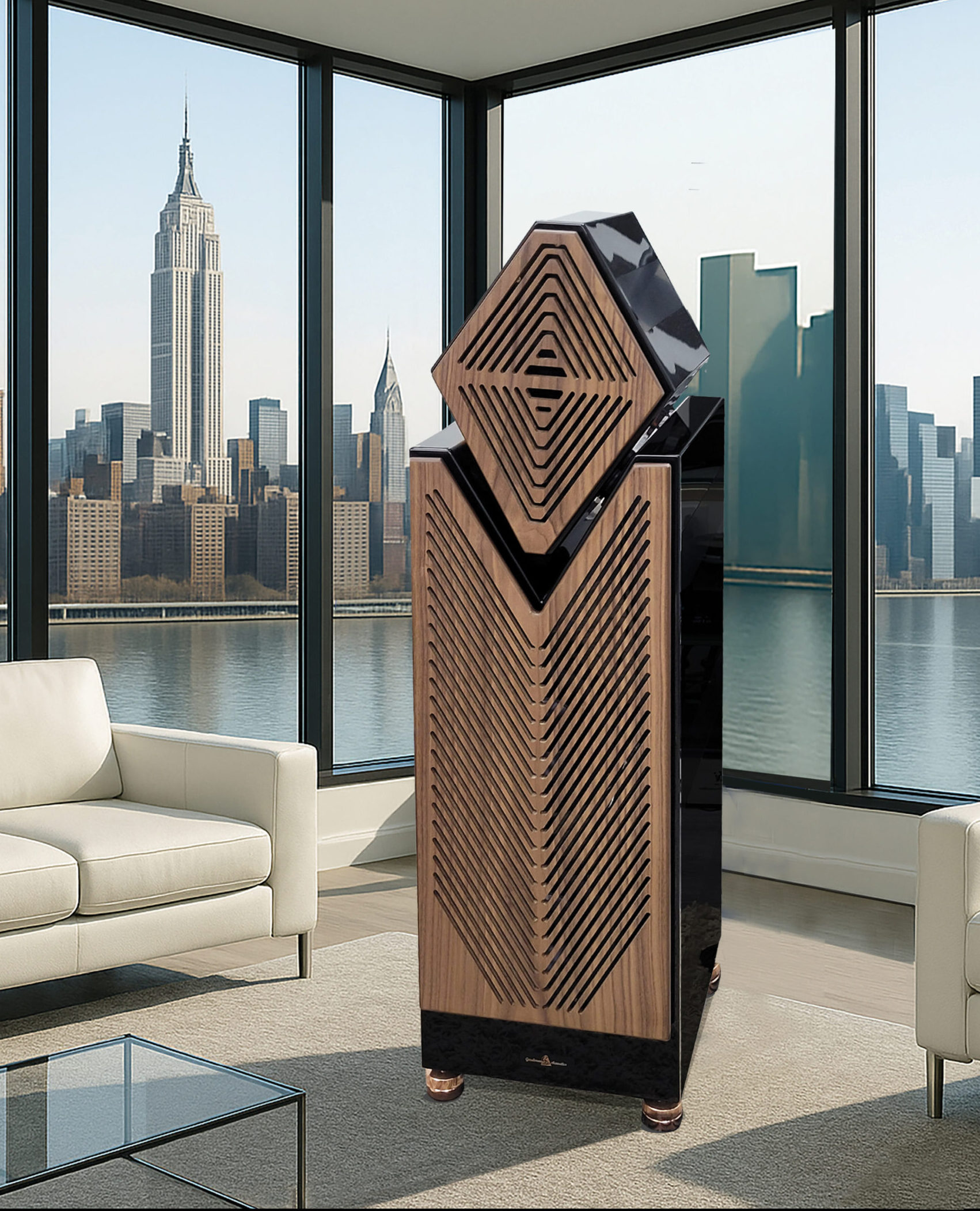
Symphoria
Flagship 3-Way Sealed Reference Loudspeaker with Dual Patented Bass Traps (BCT) & SSAS Isolation
Explore Model →
30th Anniversary Black Swan
No-Holds-Barred Reference Loudspeaker with SSAS A-Frame Enclosure (18Hz–24kHz)
Explore Model →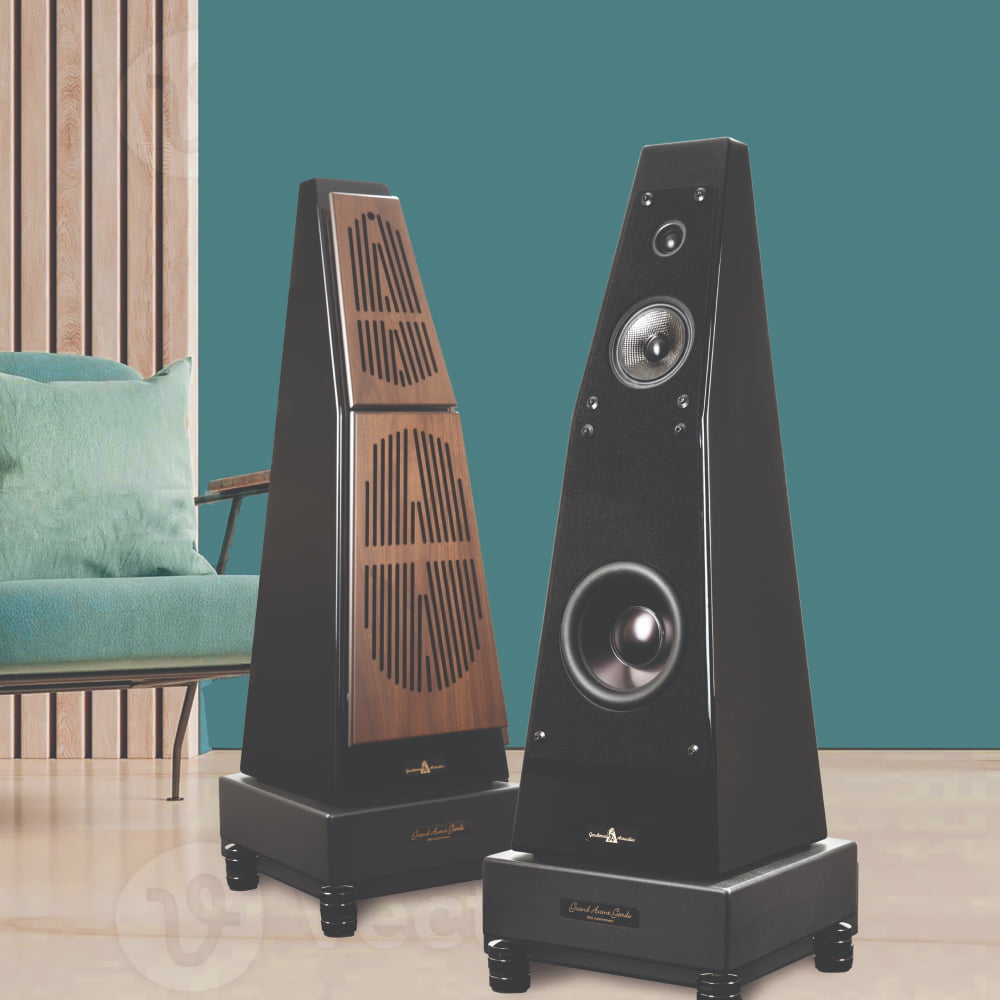
30th Anniversary Grand Avant Garde
Award-Winning Tapered Floorstanding Loudspeaker with Patented Back-Wave Control Technology (BCT)
Explore Model →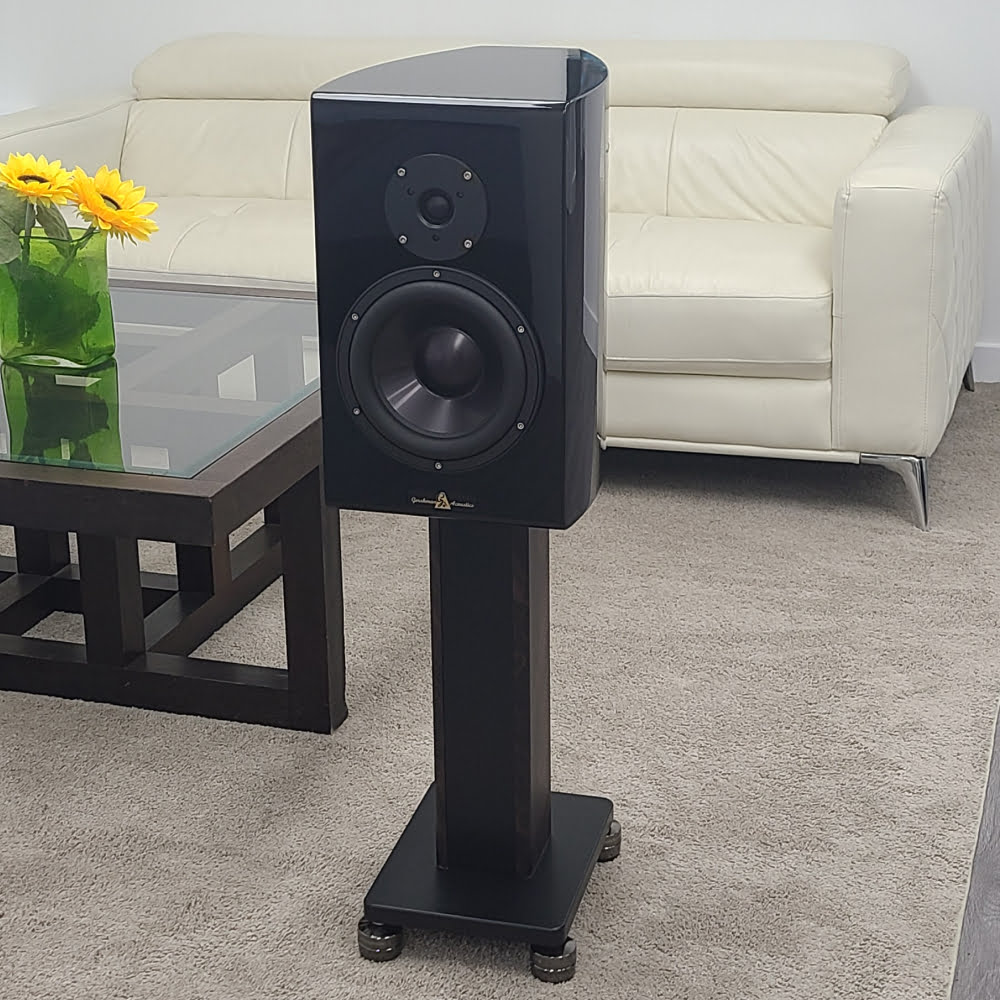
Studio II
Award-Winning Sealed Two-Way Reference Stand-Mount Loudspeaker (28Hz–24kHz)
Explore Model →