A favorite recording can reveal the difference within seconds. A singer’s intake of breath before a phrase, the decaying shimmer of a cymbal, the wood and air surrounding a cello – these details do not merely add information. They establish presence. Luxury audio exists for listeners who want music to feel less reproduced and more revealed.
That distinction matters because great sound is not simply a matter of volume, bass weight, or impressive specifications. It is the rare ability of a system to preserve the relationships within a performance: the distance between musicians, the pressure behind a piano note, the quiet that gives a vocal line its intimacy. When those relationships remain intact, listening becomes emotionally convincing.
Luxury Audio Is a Pursuit of Musical Truth
The finest loudspeakers are designed around a demanding proposition: a recording should retain its character when it enters your home. A small jazz ensemble should feel immediate and conversational. A symphonic work should expand without turning dense or fatiguing. A well-recorded voice should appear stable, dimensional, and human rather than pinned flatly between two cabinets.
This is why luxury audio cannot be reduced to a price category. Premium materials and beautiful finishes are meaningful, but they serve a more essential purpose. They support controlled resonance, tonal accuracy, dynamic ease, and the physical stability required to reproduce music without adding an unwanted signature of their own.
The result is not always a louder or more dramatic presentation. Often, it is more composed. The bass reaches deeper yet remains articulate. High frequencies carry air and detail without becoming sharp. Instruments occupy distinct positions while the performance remains whole. That balance is difficult to achieve because every design decision affects another.
For the committed listener, this is where the value lies. A truly accomplished loudspeaker does not constantly call attention to itself. It directs attention back to the recording, where the artist’s phrasing, the venue, and the emotional contour of the music can emerge naturally.
Why Craftsmanship Changes the Listening Experience
A loudspeaker cabinet is not simply a container for drivers. It is an acoustic structure that must resist vibration, manage internal energy, and provide a stable foundation for the moving parts that create sound. If the cabinet stores and releases energy at the wrong moment, the result can be blurred bass, colored midrange, and diminished imaging.
That is why handcrafted construction remains central to the high-end experience. Careful joinery, substantial bracing, thoughtfully selected materials, and precise assembly all influence the final voice of a loudspeaker. These choices take time, and time is one of the most meaningful luxuries in audio manufacturing.
The exterior matters as well. A speaker of this caliber lives in a listening room, a library, or a carefully designed living space. It should have presence without visual noise. The most successful designs understand that proportion, finish, and sculptural form can complement a room while still serving acoustic purpose.
Gershman Acoustics has built its reputation on this union of engineering and artisanal cabinet work. The objective is not ornament for its own sake, but a loudspeaker that feels as considered in the hand and the room as it does to the ear.
Precision Is Heard in the Smallest Moments
The most persuasive systems often impress first in quiet passages. A brushed snare has texture rather than hiss. The subtle resonances of an acoustic guitar body become apparent. Reverb fades into silence with a believable sense of space rather than disappearing abruptly.
These moments require low noise, carefully integrated drivers, and crossover design that preserves coherence across the audible range. They also require control. Detail without tonal grace can become tiring; warmth without definition can obscure musical structure. Exceptional loudspeakers pursue both resolution and ease.
How to Recognize a Luxury Listening Experience
Specifications can help narrow a search, but they cannot tell you whether a loudspeaker moves you. Listening remains the decisive step, ideally with music you know deeply and across more than one genre.
Begin with voices. Human hearing is extraordinarily sensitive to the tone and shape of speech, which makes vocals a revealing test of realism. A convincing speaker presents a voice with body, scale, and natural sibilance. It should not make every singer sound larger than life, overly polished, or strangely distant.
Then listen to bass lines and percussion. Deep bass is desirable only when it remains disciplined. On an excellent system, a kick drum has impact and clear boundaries, while an upright bass retains pitch and resonance. The room should not seem to swell around low notes.
Pay attention to imaging, but do not confuse a sharply outlined soundstage with musical authenticity. A system may place instruments precisely while failing to convey the energy that connects them. The better question is whether the musicians seem to perform together in a believable acoustic space.
Finally, spend time. A brief demonstration can spotlight detail, but long listening reveals balance. The right loudspeaker invites another album. It does not make a cherished recording feel like a test track.
The System and the Room Are Part of the Instrument
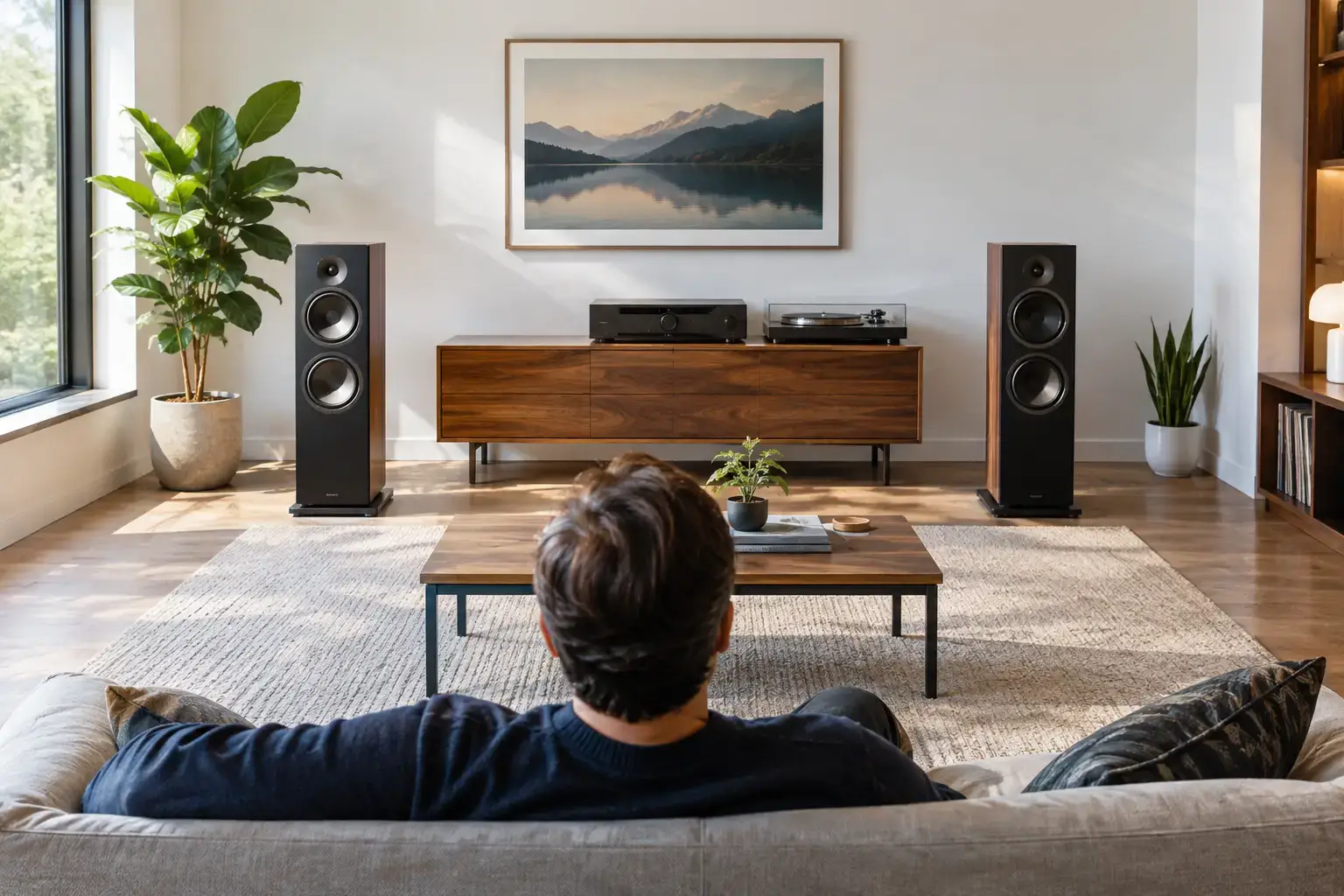
Even a remarkable loudspeaker cannot fully express itself in isolation. Amplification, source components, cable quality, speaker placement, and the room itself each affect the final result. This is not a warning against investing in loudspeakers. It is an argument for approaching the system as a considered whole.
Amplifier matching deserves particular care. Some loudspeakers benefit from ample current delivery and firm control, especially when music demands wide dynamic swings. Others may be easier to drive but still reveal the tonal character of the electronics upstream. The best match depends on the speaker’s design, the room size, and the listener’s preferred music.
Placement can transform performance without changing a single component. Moving speakers farther from the front wall may open the soundstage and reduce bass heaviness. Adjusting toe-in can alter image focus and high-frequency balance. Small changes deserve patience because the difference can be substantial.
Rooms introduce their own personality. Glass, stone, and expansive hard surfaces can make a system sound overly lively, while heavily furnished spaces may absorb too much energy. This does not require turning a beautiful home into a recording studio. Rugs, curtains, bookshelves, and thoughtful seating placement can often bring a room closer to balance while preserving its character.
A Purchase That Rewards Attention Over Time
Luxury purchases are often judged by immediacy. Luxury audio should also be judged by what it continues to give back. The right loudspeaker remains engaging as your musical knowledge grows. It rewards familiar records while making room for new ones. It can present a late-night vocal recording with delicacy, then scale confidently for a full orchestra or live performance.
There are sensible trade-offs to consider. A larger speaker may create greater scale and bass authority, but it needs physical space and may overwhelm a smaller room. A visually discreet model may better suit an interior, while a more ambitious enclosure can offer greater dynamic headroom. There is no universal answer, only the right relationship among room, system, aesthetic, and listening habits.
The enduring appeal of fine audio is its refusal to treat music as background decoration. It makes a room feel more alive, invites a pause at the end of a long day, and reminds us why certain performances stay with us for decades. Choose the system that makes you want to sit down, put on one more record, and listen without distraction.
Explore Gershman Acoustics Reference Loudspeakers
Experience the lifelike soundstage, deep controlled bass, and artisanal cabinetry discussed in our guides.
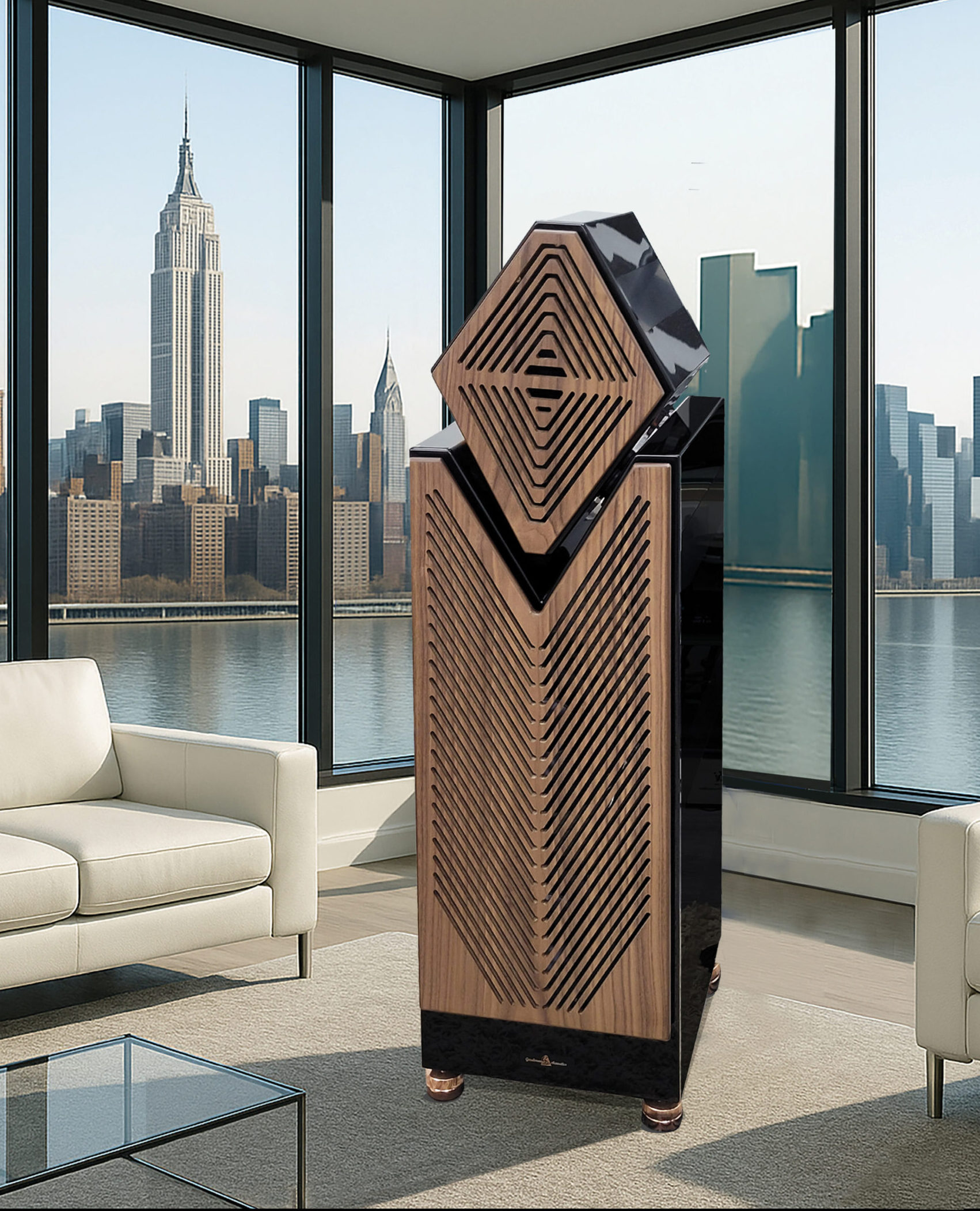
Symphoria
Flagship 3-Way Sealed Reference Loudspeaker with Dual Patented Bass Traps (BCT) & SSAS Isolation
Explore Model →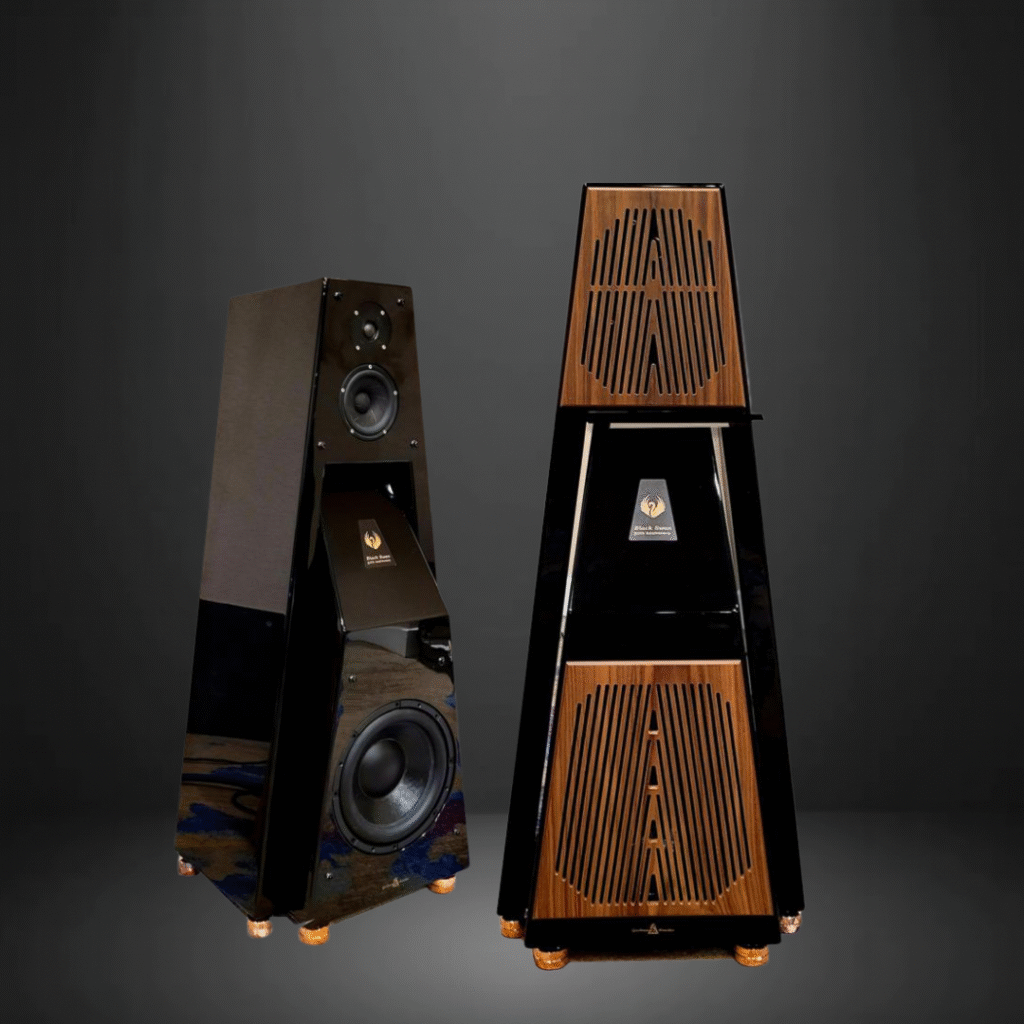
30th Anniversary Black Swan
No-Holds-Barred Reference Loudspeaker with SSAS A-Frame Enclosure (18Hz–24kHz)
Explore Model →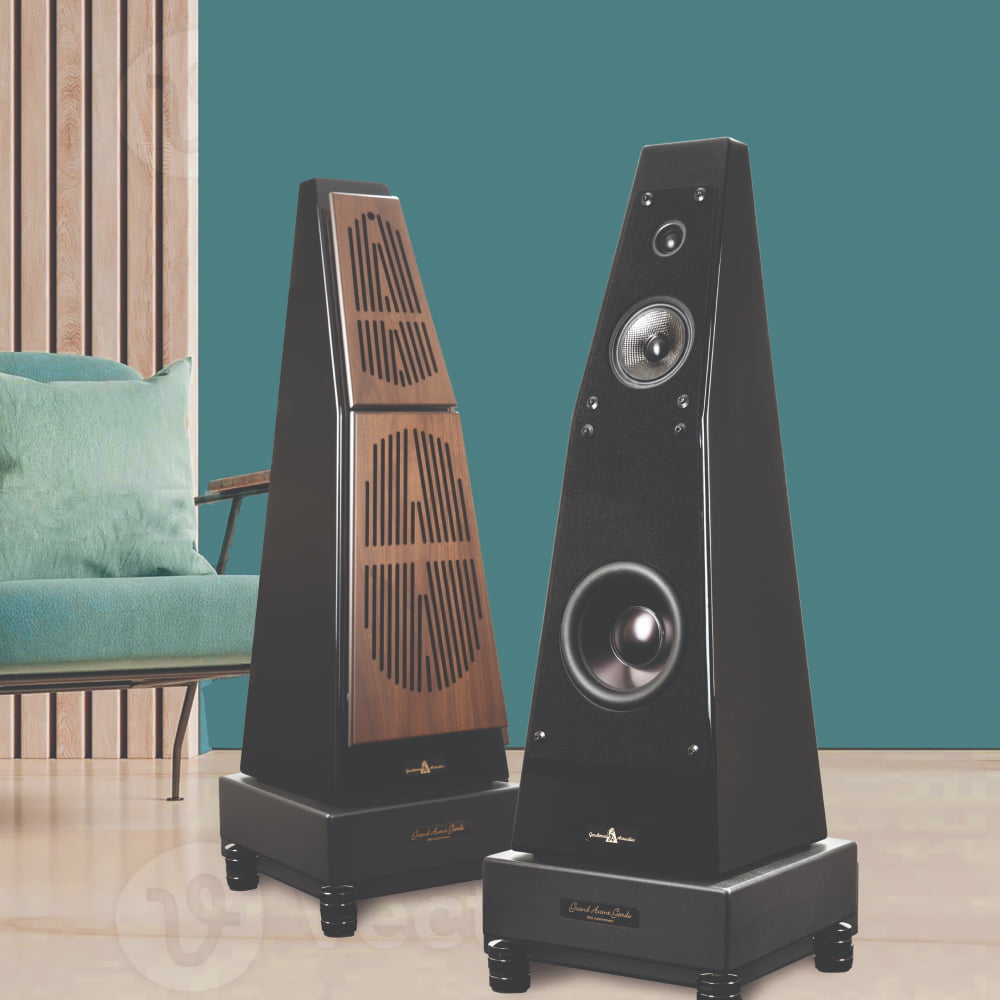
30th Anniversary Grand Avant Garde
Award-Winning Tapered Floorstanding Loudspeaker with Patented Back-Wave Control Technology (BCT)
Explore Model →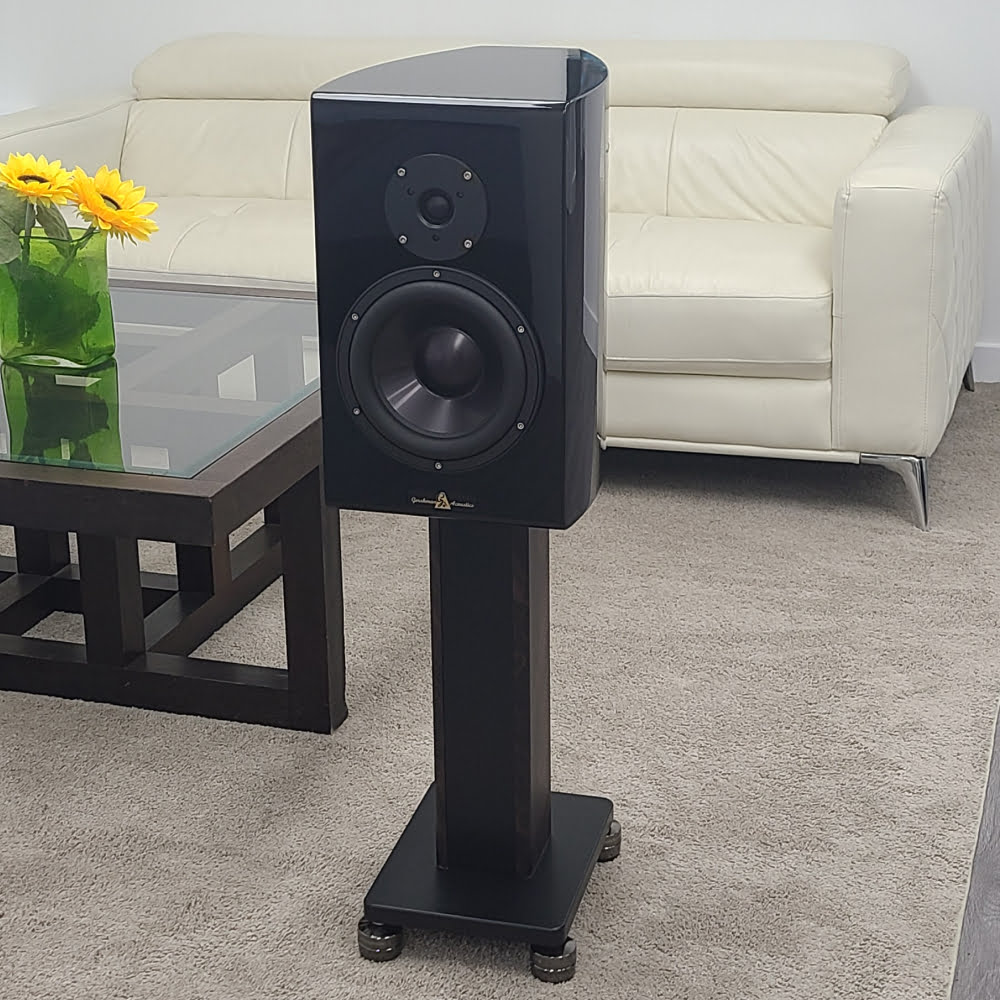
Studio II
Award-Winning Sealed Two-Way Reference Stand-Mount Loudspeaker (28Hz–24kHz)
Explore Model →