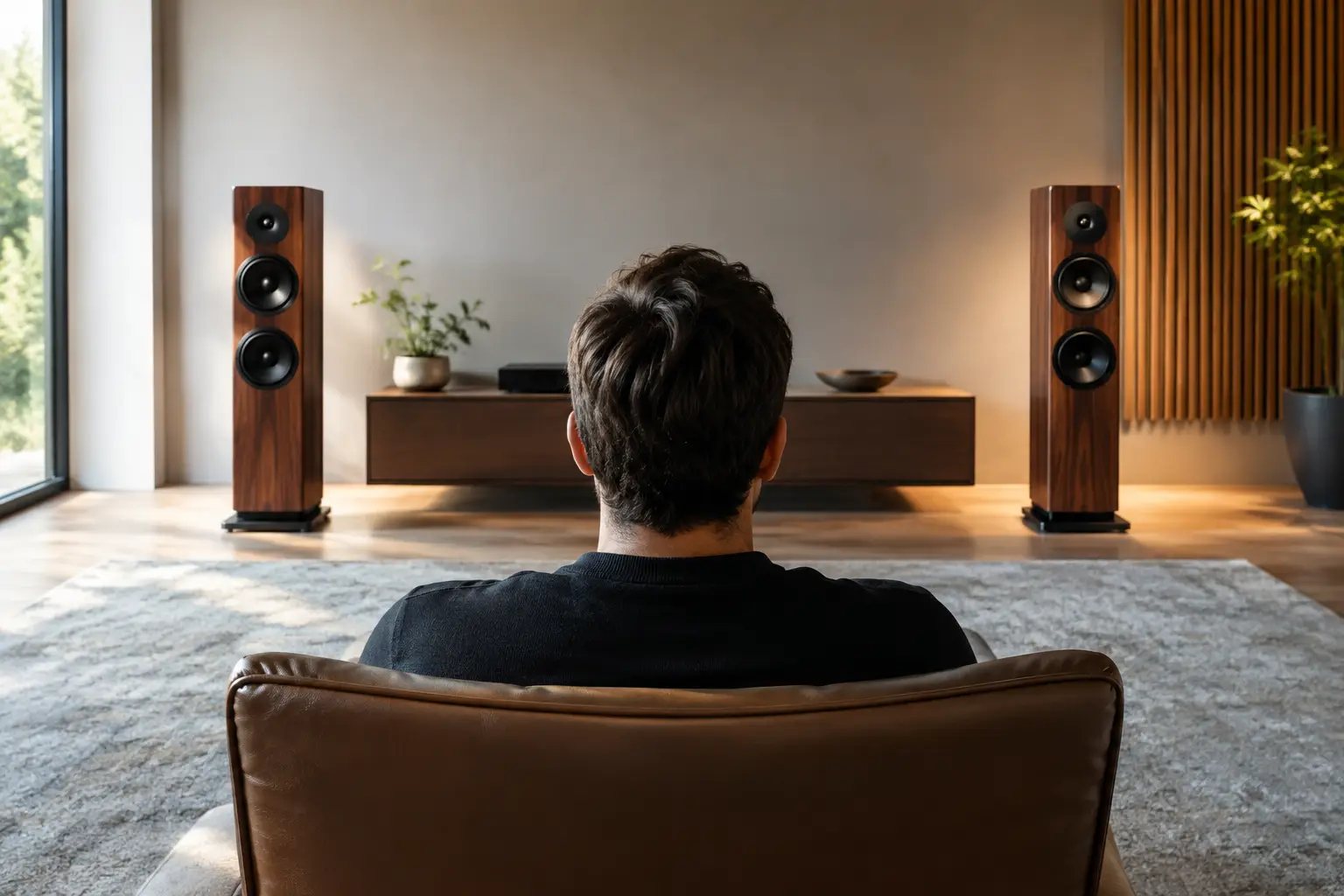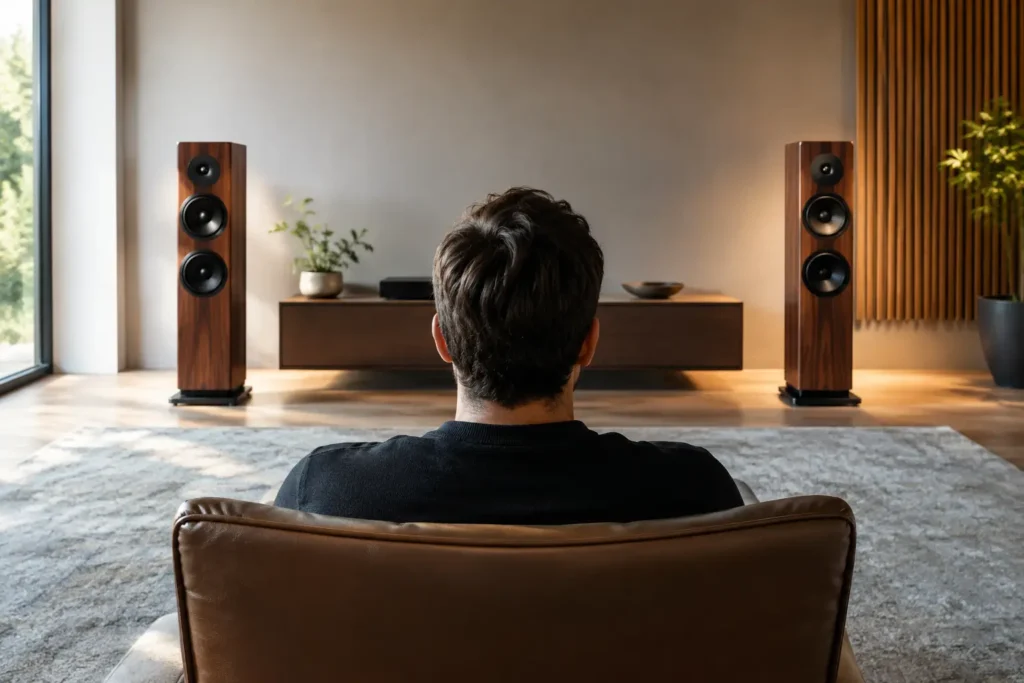
A pair of exceptional loudspeakers should not command attention as objects once the music begins. The cabinets may be beautifully finished, the drivers precisely engineered, and the room thoughtfully appointed, yet the finest moment is when all of that physical presence seems to fall away. What makes speakers disappear is not a single feature or a clever setup trick. It is the rare alignment of loudspeaker design, room acoustics, placement, electronics, and recording quality.
When this alignment is achieved, a vocalist does not appear to be singing from a box. A piano occupies believable scale and weight. A string section extends beyond the loudspeakers, with individual instruments held in a coherent acoustic space. The listener is no longer evaluating equipment. They are simply drawn into a performance.
What Makes Speakers Disappear?
The phrase describes a psychoacoustic illusion, but it is rooted in very real engineering. Our ears locate sound through tiny differences in arrival time, level, frequency response, and reflected energy. When a loudspeaker preserves those cues with precision, the brain can place musicians within a three-dimensional soundstage rather than attaching the sound to the speaker cabinets.
Disappearing speakers do not mean sound without scale or authority. Quite the opposite. A great system can produce a large orchestral crescendo, a full-bodied double bass, or the intimacy of a close-miked voice while leaving the loudspeakers acoustically invisible. The image feels suspended in the room, detached from the locations where the cabinets stand.
This effect depends on accuracy, but accuracy alone is not enough. A technically impressive speaker can still sound constrained if its cabinet stores energy, if its drivers are not working in unison, or if the room overwhelms the direct sound with early reflections. Musical realism is a whole-system achievement.
Coherent Design Begins at the Loudspeaker
A loudspeaker disappears most convincingly when its drivers behave as one musical instrument. Bass, midrange, and treble must arrive with convincing timing and tonal continuity. If the handoff between drivers is audible, voices may seem divided, cymbals may detach from the rest of the kit, and the illusion of a continuous stage begins to fracture.
Crossover design is central here. It determines how each driver shares the musical spectrum and how their outputs combine at the listening position. The goal is not merely a smooth measurement. It is a convincing integration that lets a violin retain its body and sheen, or allows a singer’s breath, chest resonance, and articulation to emerge as one event.
Cabinet construction matters just as much. A cabinet that resonates can add its own signature to the music, smearing fine detail and making images less stable. Carefully engineered enclosures control vibration and diffraction so the cabinet contributes less of itself. The result is cleaner transient response, more natural tonal color, and a greater sense that instruments occupy air rather than living inside wooden boxes.
A refined loudspeaker also manages dispersion, or how sound radiates into the room. Very narrow dispersion can reduce certain reflections but may make the listening area feel limited. Excessively broad dispersion can energize the room too aggressively. There is no universal ideal, because rooms differ, but controlled and consistent dispersion gives a speaker the best chance of maintaining tonal balance and image focus beyond a single chair.
Placement Is Part of the Performance
Even a world-class loudspeaker cannot fully disappear if it is placed as furniture rather than as a source of music. The room becomes part of the instrument, shaping bass response, image width, depth, and tonal warmth.
Start by giving the speakers room to breathe. Positioning them too close to the front wall often exaggerates certain bass frequencies and can flatten depth. Pulling them farther into the room generally improves spatial layering, though it may reduce the apparent weight of the lowest bass in some spaces. This is a trade-off worth exploring rather than a rule to follow blindly.
The distance between speakers also deserves patience. If they are too close together, the stage can feel narrow and congested. Too far apart, and the center image may lose solidity. A well-recorded vocal is an excellent guide: it should appear stable, focused, and naturally sized between the speakers, not as a vague cloud or a sharply pinned point.
Toe-in, the inward angle of each speaker, influences both image focus and tonal balance. More toe-in can sharpen central imaging and reduce side-wall reflections. Less toe-in may create a wider, more relaxed presentation. The best position is rarely found in one attempt. Small changes of an inch or two, followed by familiar listening, can reveal meaningful differences.
The listening seat should not be treated as an afterthought. Sitting too near a rear wall can produce heavy bass reinforcement and obscure depth cues. A position that forms an approximate triangle with the loudspeakers is a useful starting point, but room dimensions and speaker behavior should have the final word.
The Room Must Preserve the Illusion
A listening room does not need to resemble a recording studio to support extraordinary imaging. It does, however, need to avoid a few common acoustic problems. Bare glass, large exposed walls, stone floors, and hard furniture can create strong early reflections that compete with the direct sound from the speakers. The stage becomes bright, diffuse, or two-dimensional.
Soft furnishings, rugs, curtains, bookshelves, and carefully chosen acoustic treatments can help, provided they are used with restraint. An overdamped room may remove life and openness from music just as surely as a highly reflective room can blur it. The aim is balance: enough control to hear the recording’s space, enough natural energy to preserve its vitality.
Bass is often the most difficult issue because low frequencies interact strongly with room boundaries. A note from an acoustic bass may bloom in one position and nearly vanish in another. Speaker placement, seating location, and bass management all influence this behavior. Before assuming a speaker lacks control or extension, listen to how the room is shaping the lower octaves.
Electronics and Source Quality Still Matter
Speakers can reveal only what the system sends them. An amplifier with insufficient control may soften dynamic contrasts and reduce the grip that gives bass instruments their physical presence. A poorly matched component can alter tonal balance or compress the subtle shifts in level that communicate a recording’s sense of space.
This does not mean the most expensive component is automatically the right choice. Matching matters more than price alone. Loudspeaker sensitivity, impedance behavior, room size, listening levels, and musical preferences all influence the amplifier decision. A system intended for large-scale symphonic works at realistic levels has different demands than one centered on intimate jazz, chamber music, or vocal recordings.
Source material also sets the ceiling. A transparent system does not manufacture the acoustic information missing from a compressed or poorly mixed recording. Yet it can still illuminate great performances by revealing phrasing, texture, and dynamic expression. With a fine recording, the experience can be startling: applause recedes behind the orchestra, a singer takes a half-step closer to the microphone, and the venue’s reverberation unfolds well beyond the room’s walls.
Why Emotional Engagement Is the Real Test
The disappearing act is not simply an audiophile party trick. It serves the music. When speakers stop drawing attention to themselves, the listener can follow the emotional architecture of a performance without distraction. A quiet passage gains fragility. A swell of brass gains scale. The distance between a singer and a guitarist becomes part of the story being told.
This is why handcrafted loudspeaker design remains meaningful in a category often reduced to specifications. Measurements are indispensable, and careful engineering is non-negotiable, but the final judgment happens in the act of listening. Gershman Acoustics approaches that judgment through the relationship between precision, cabinet craftsmanship, natural tonal balance, and the ability to communicate the human feeling within a recording.
A speaker that disappears will not make every recording sound identical or disguise every weakness upstream. It will reveal character, both beautiful and imperfect. That honesty is part of its appeal. Given a sympathetic room, thoughtful setup, and music worth hearing again, the loudspeakers can become something more elusive than equipment: a clear path back to the performance.
Explore Gershman Acoustics Reference Loudspeakers
Experience the lifelike soundstage, deep controlled bass, and artisanal cabinetry discussed in our guides.

Symphoria
Flagship 3-Way Sealed Reference Loudspeaker with Dual Patented Bass Traps (BCT) & SSAS Isolation
Explore Model →
30th Anniversary Black Swan
No-Holds-Barred Reference Loudspeaker with SSAS A-Frame Enclosure (18Hz–24kHz)
Explore Model →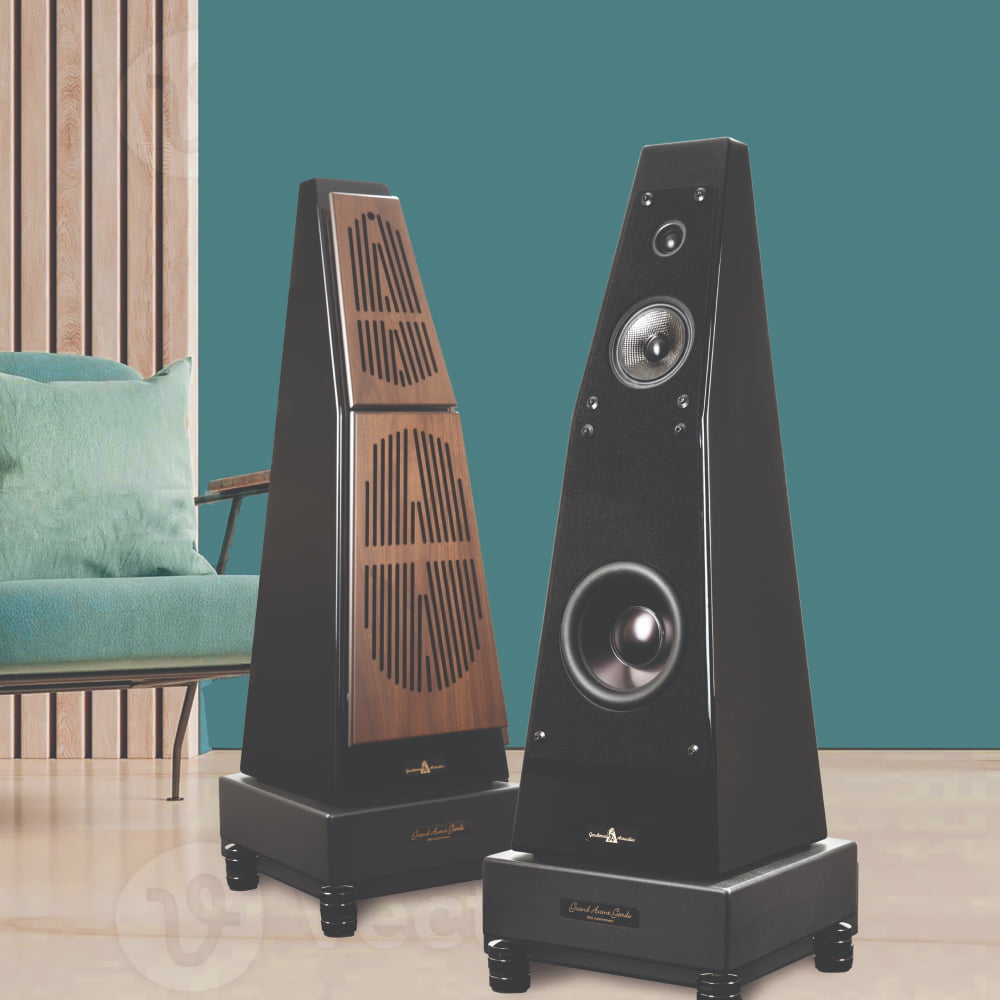
30th Anniversary Grand Avant Garde
Award-Winning Tapered Floorstanding Loudspeaker with Patented Back-Wave Control Technology (BCT)
Explore Model →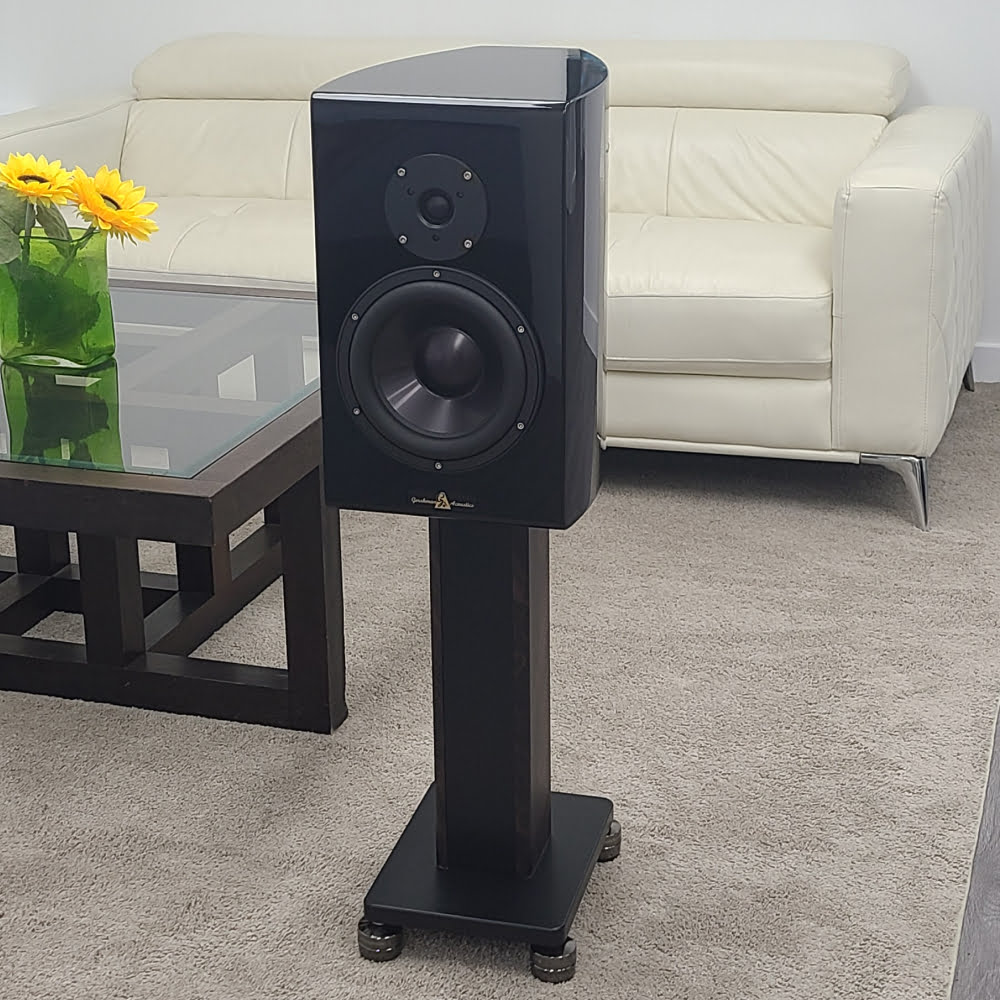
Studio II
Award-Winning Sealed Two-Way Reference Stand-Mount Loudspeaker (28Hz–24kHz)
Explore Model →