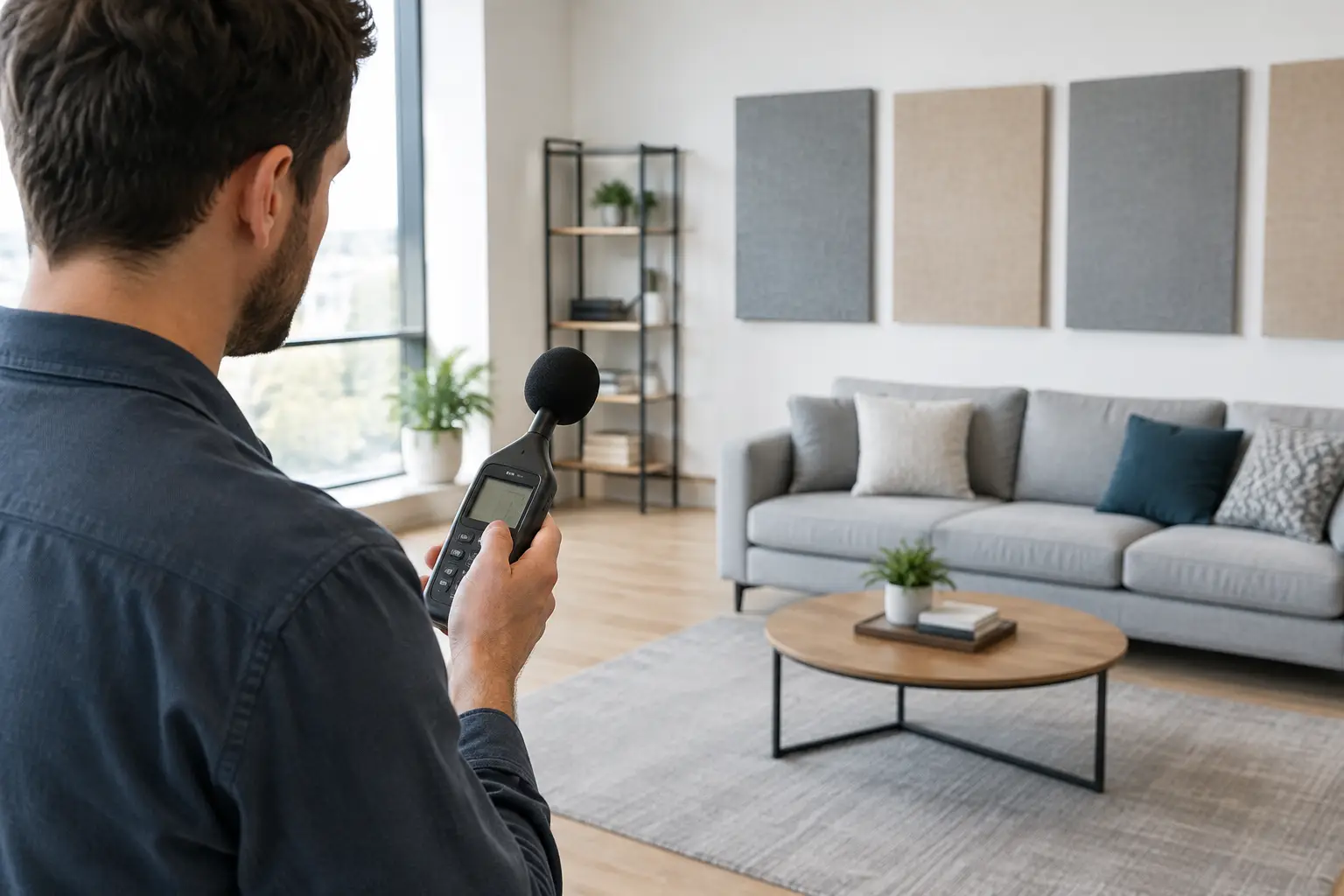
A remarkable loudspeaker can only reveal what the room allows it to reveal. This guide to room size acoustics begins with that essential truth: the listening room is not merely a setting for a music system. It is an active acoustic instrument, shaping bass weight, vocal presence, image focus, tonal color, and the sense of air around a recording.
For the listener building a serious system, room size should influence every early decision, from loudspeaker scale to seating position. The goal is not to make a room clinically dead or force it into a formula. It is to create the conditions in which the system disappears and a performance feels present, dimensional, and emotionally complete.
Why Room Dimensions Change What You Hear
Every enclosed room stores and releases sound energy. At low frequencies, that energy collects in predictable patterns called room modes. Certain bass notes become too prominent, others retreat, and some linger longer than they should. The result can be bass that feels heavy but imprecise, or a system that sounds lean in one chair and excessive a few feet away.
The room’s length, width, and height all matter. A nearly square room can be especially challenging because similar dimensions reinforce many of the same frequencies. A long, narrow room tends to emphasize a different set of problems, often producing uneven bass along its length. Low ceilings can add pressure and congestion, particularly when the speakers and listener are placed too close to the room’s boundaries.
Volume matters as much as floor area. A room with a high ceiling has more air for low frequencies to develop, and can often support larger loudspeakers with greater ease than a room of the same footprint with an eight-foot ceiling. Yet bigger is not automatically better. A very large, sparsely furnished room may sound overly reflective or make a modest system feel distant and underpowered.
Guide to Room Size Acoustics: Start With Scale
There is no universal pairing of room and loudspeaker. Sensitivity, bass extension, driver area, cabinet design, and the listener’s preferred music all influence the choice. Still, thinking in terms of scale prevents expensive mistakes.
Small rooms: precision before sheer output
A small room, generally under about 1,800 cubic feet, can deliver intimate and deeply involving listening. It also places the listener close to walls, corners, and loudspeakers, which means bass behavior becomes more difficult to ignore. Large floorstanders with substantial low-frequency extension may work beautifully here, but only when placement and treatment are handled with care.
In these spaces, a speaker that offers controlled bass and graceful off-axis behavior is often more rewarding than one chosen solely for maximum output. Pulling speakers away from the front wall can improve depth and reduce boom, while avoiding corner placement usually prevents bass from becoming dominant. A carefully positioned stand-mount speaker or a refined, moderate-scale floorstander may create a more believable musical picture than an oversized design forced into the room.
Do not assume a small room requires a small soundstage. When first reflections are controlled and the speaker-to-listener geometry is correct, a compact space can produce startlingly precise imaging and exceptional vocal intimacy.
Medium rooms: the most flexible canvas
Rooms between roughly 1,800 and 3,500 cubic feet are often ideal for high-performance two-channel listening. They permit meaningful distance between loudspeakers, listening seat, and boundaries without demanding extreme output. This additional breathing room helps a stereo image expand naturally beyond the cabinets while allowing bass to develop with better composure.
A medium room can accommodate a broad range of premium loudspeakers. It is often the sweet spot for speakers designed to reproduce a full orchestra, an electric bass line, or the dynamic rise of a live recording without sounding constrained. Even here, restraint matters. A speaker should energize the room with authority, not overwhelm it.
Large rooms: preserve intimacy and energy
In rooms above 3,500 cubic feet, the challenge shifts. Bass modes may be less severe in the deepest octave, but the system must energize a far greater volume of air. A loudspeaker that sounds rich and complete in a showroom-sized room can seem modest in an expansive living space with vaulted ceilings, open stairways, or adjacent rooms.
Larger loudspeakers, or designs with generous dynamic capability and controlled low-frequency reach, often make sense here. Their purpose is not simply to play louder. They preserve the scale of a symphony orchestra, the physical presence of a piano, and the effortless rise and fall of music at realistic levels. Furnishings, rugs, bookshelves, and carefully selected acoustic treatments help ensure that this scale does not become glare or echo.
Placement Is the First Acoustic Treatment
Before purchasing panels, bass traps, or digital correction, establish a thoughtful loudspeaker layout. Positioning is the most powerful adjustment available, and it costs nothing but time and patience.
Begin by placing the speakers along the shorter wall of a rectangular room when practical, firing down the longer dimension. This gives sound more distance to develop before it reaches the listening position. Aim for symmetry: the left and right speakers should experience similar side-wall distances and furnishings. A beautiful room with radically different boundaries on each side can produce an image that pulls toward one speaker.
Avoid placing the listening seat directly against the rear wall. That location often exaggerates bass and obscures depth. Moving the chair forward, even by one or two feet, can clarify the lower registers and sharpen the relationship between voices and instruments.
Speaker distance from the front wall is equally consequential. Moving a speaker in small increments changes bass balance and image depth. Start with a meaningful gap rather than a few inches, then listen. A familiar acoustic recording is especially useful: listen for the body of a cello, the natural decay of a piano, and whether a central vocal remains solid as the arrangement grows more complex.
Toe-in should be adjusted by ear. More toe-in can increase image focus and reduce side-wall interaction, but too much may narrow the stage or make the upper range feel overly direct. Less toe-in may create a wider presentation, though it can soften center-image specificity. The correct setting is the one that gives voices physical presence without making the loudspeakers audible as separate objects.
Treat the Room Without Erasing Its Character
Acoustic treatment is not a decorative afterthought, nor should it turn a living room into a recording booth. The finest rooms balance absorption, diffusion, and natural liveliness.
Start with first-reflection points on the side walls. These are areas where sound from each speaker reaches the listener shortly after the direct sound, often reducing focus and creating a bright or confused presentation. Absorption panels, upholstered furnishings, or properly placed shelving can help, depending on the room’s design.
Bass requires a different approach. Thin decorative panels do little for the deepest problems. Effective low-frequency control generally needs substantial corner treatment, purpose-built bass absorption, or careful use of multiple subwoofers. For many luxury interiors, the most elegant solution combines discreet architectural treatment with well-chosen furnishings and deliberate placement.
Diffusion can be valuable in larger rooms or behind the listening position, where it breaks up strong reflections without removing all life from the space. But treatment should follow listening and measurement, not fashion. An overdamped room may sound impressively quiet at first, then leave music without bloom, scale, or emotional warmth.
Use Measurement as a Guide, Not a Verdict
A measurement microphone and room-analysis software can reveal bass peaks, nulls, decay times, and left-to-right imbalance that the ear may struggle to identify precisely. This is particularly useful when deciding whether a problem is caused by the loudspeaker, the room, or the listening position.
Still, a graph cannot tell you whether a string quartet feels harmonically convincing or whether a singer’s phrasing reaches you with emotional immediacy. Use measurements to narrow the search, then return to music you know intimately. The best result is not a perfectly flat line. It is a presentation that sounds coherent, natural, and alive across many recordings.
Digital room correction can also be helpful, especially below the transition region where room behavior dominates. It should refine a well-positioned system, not compensate for speakers pushed into corners or a seat fixed against a wall. Physical geometry remains the foundation.
Design the Listening Room Around the Music
An open-plan residence, a glass-lined city home, and a dedicated listening salon each demand a different approach. In an open plan, the room may have no true rear boundary, reducing some bass buildup while making overall tonal balance less predictable. Glass, stone, and polished surfaces can lend visual drama but may introduce excessive reflection. Rugs, curtains, textured upholstery, and artful acoustic elements can restore warmth without compromising the interior.
This is where handcrafted loudspeakers earn their place as both musical instruments and objects of enduring design. A thoughtfully matched Gershman Acoustics system can bring authority, refinement, and a convincing sense of performance to a well-considered space, but its full voice emerges only when the room is treated as part of the instrument.
Take time with the process. Move one element, listen for several days, and let familiar music reveal the change. When room, speaker, and listener settle into the right relationship, recordings stop sounding reproduced and begin to feel remembered.
Explore Gershman Acoustics Reference Loudspeakers
Experience the lifelike soundstage, deep controlled bass, and artisanal cabinetry discussed in our guides.
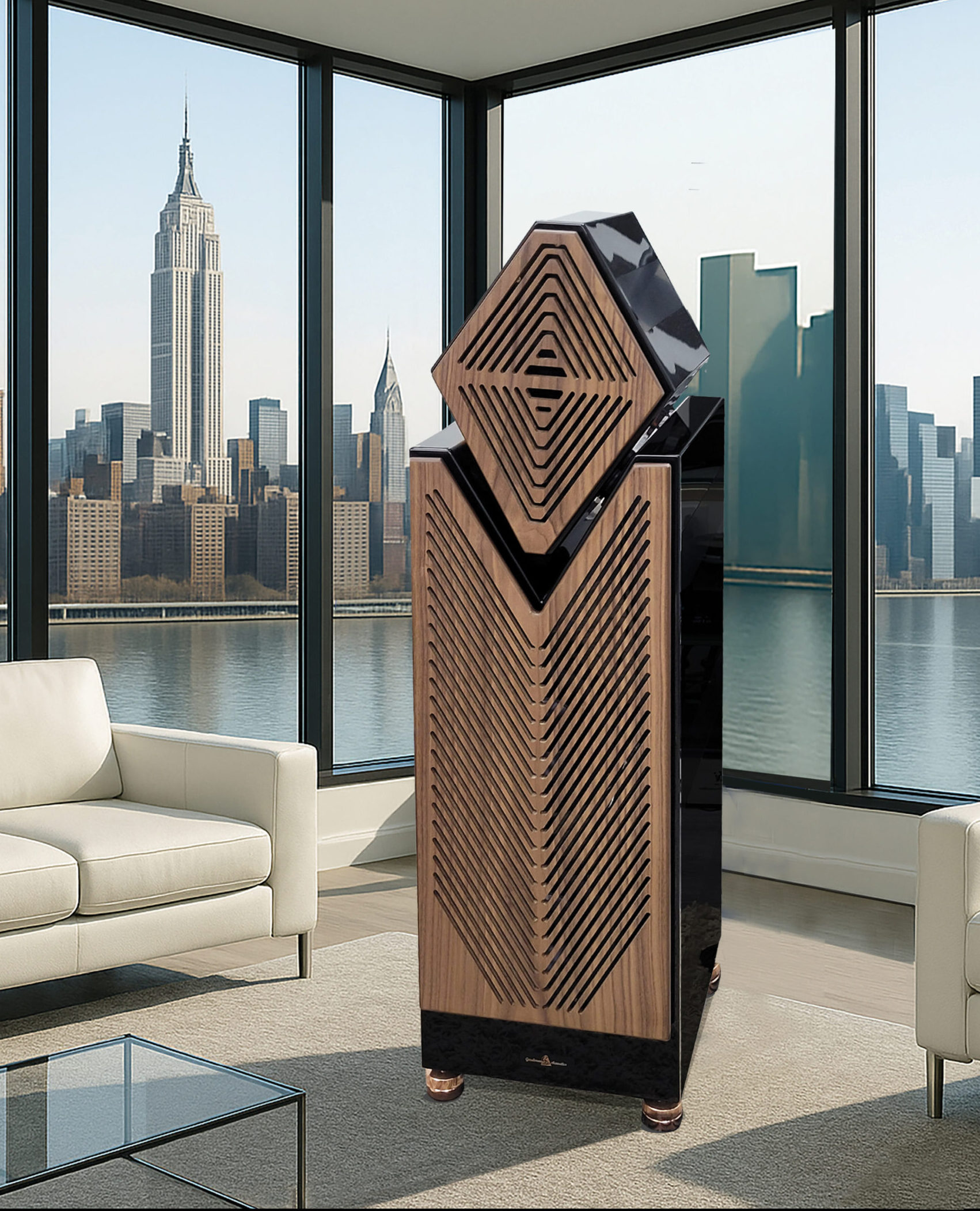
Symphoria
Flagship 3-Way Sealed Reference Loudspeaker with Dual Patented Bass Traps (BCT) & SSAS Isolation
Explore Model →
30th Anniversary Black Swan
No-Holds-Barred Reference Loudspeaker with SSAS A-Frame Enclosure (18Hz–24kHz)
Explore Model →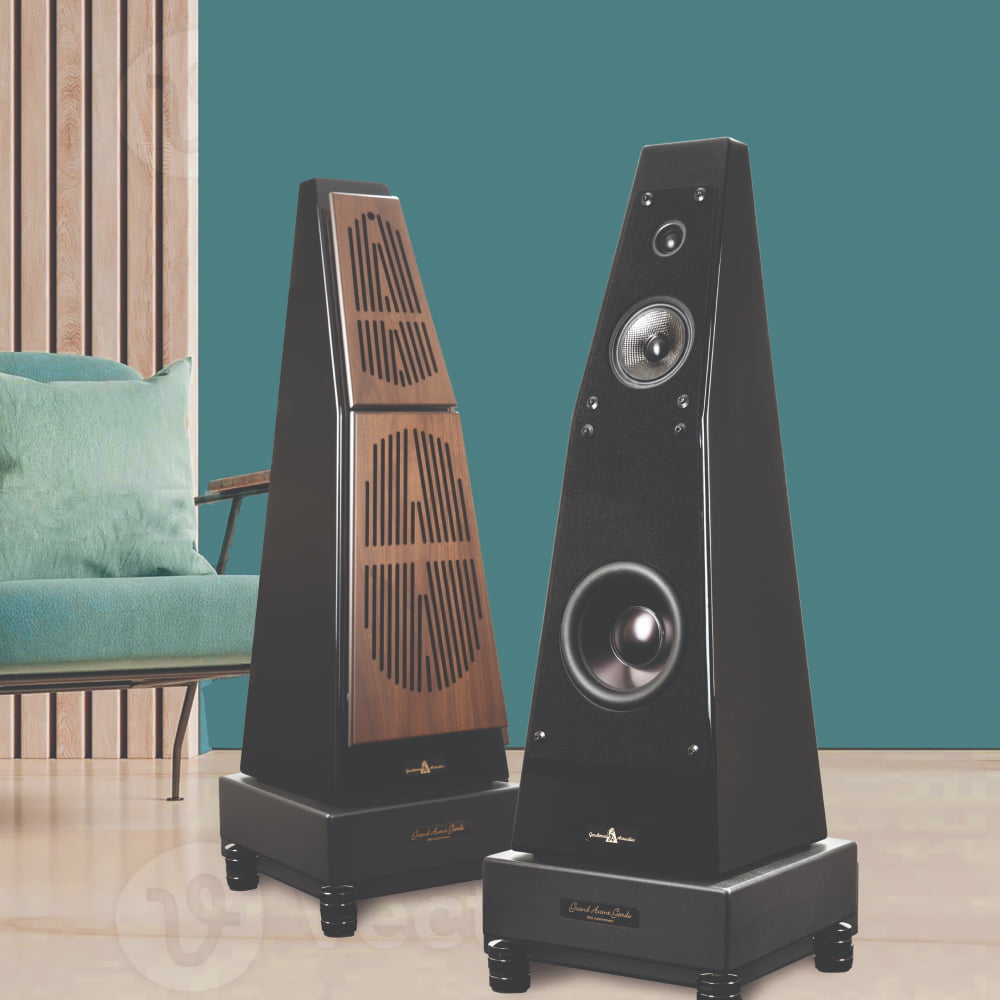
30th Anniversary Grand Avant Garde
Award-Winning Tapered Floorstanding Loudspeaker with Patented Back-Wave Control Technology (BCT)
Explore Model →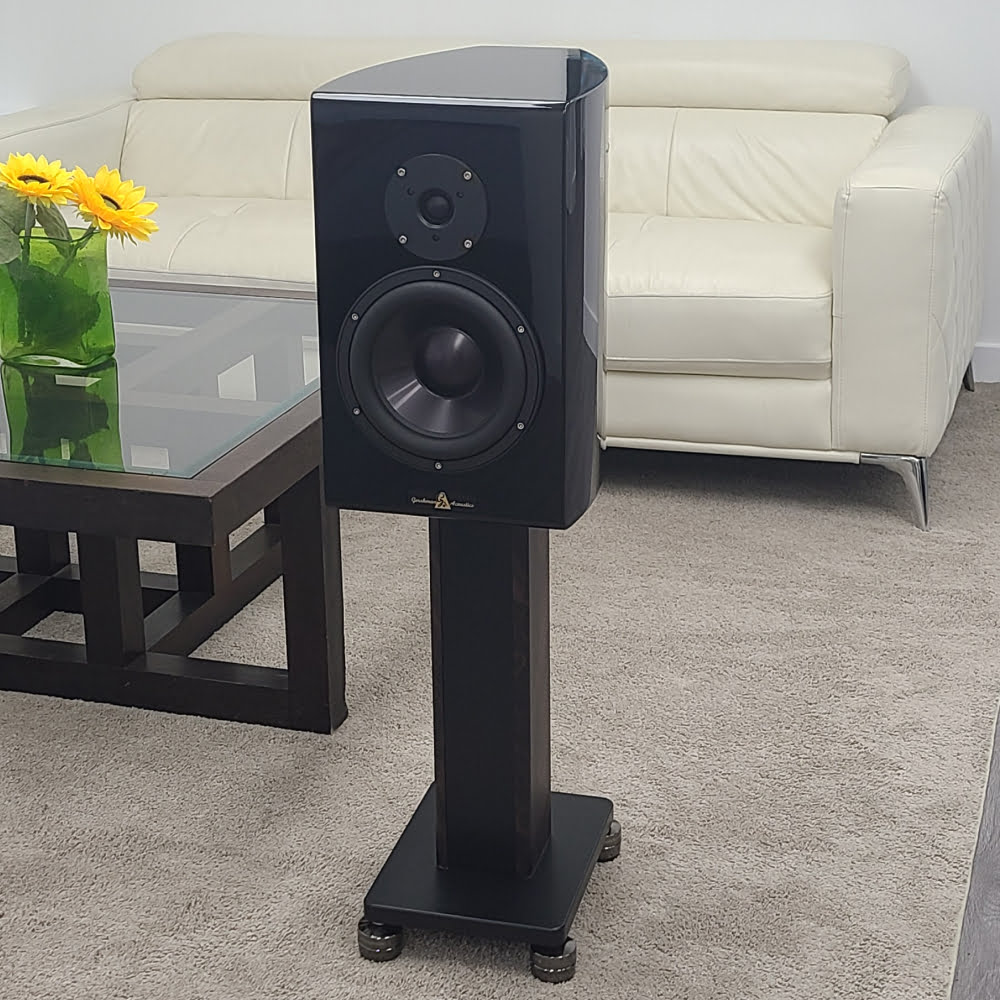
Studio II
Award-Winning Sealed Two-Way Reference Stand-Mount Loudspeaker (28Hz–24kHz)
Explore Model →